Available 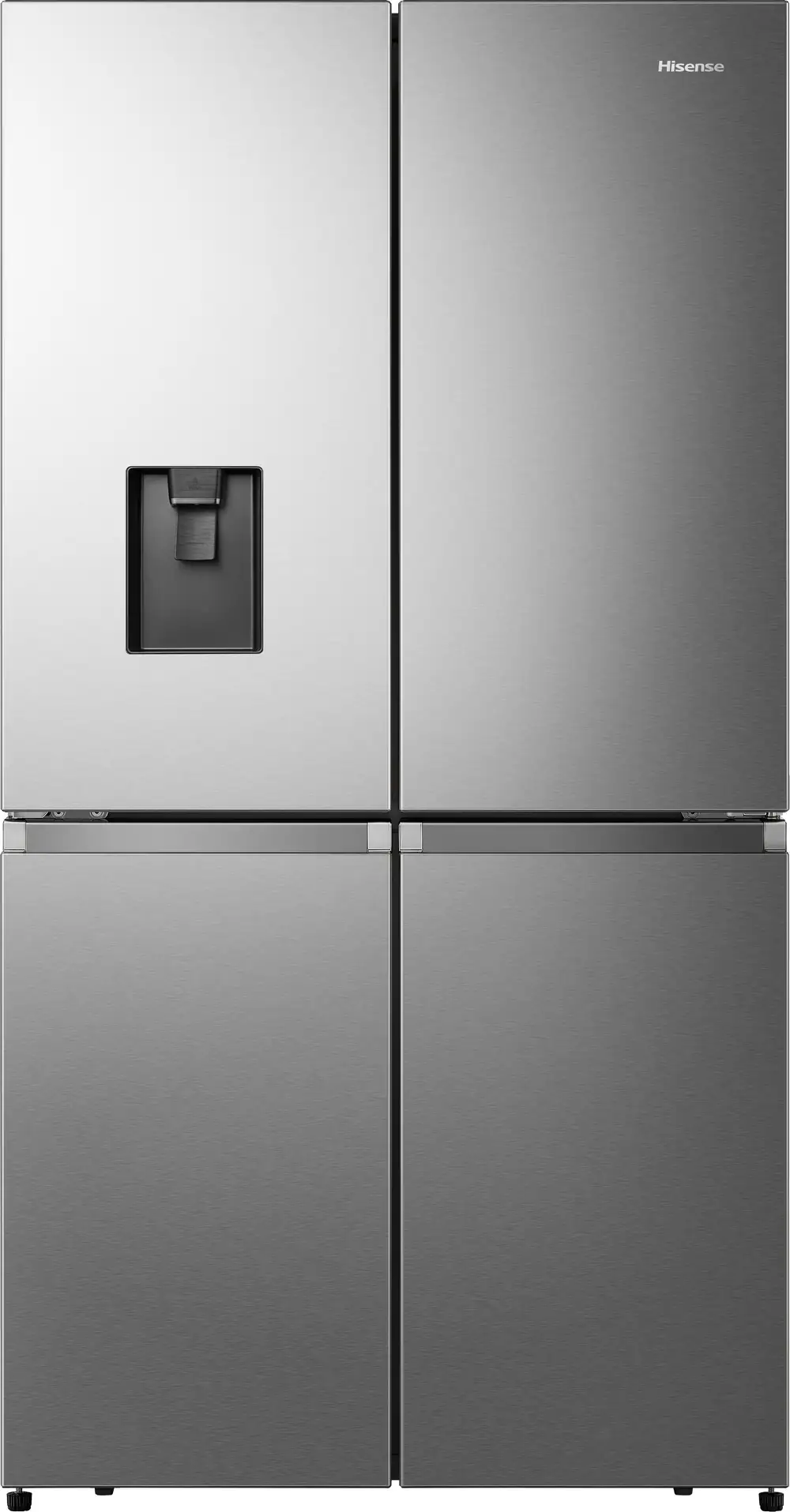
Hisense PureFlat Infinite RQ758N4SWSE Total No Frost Multi-door American Fridge Freezer
from £1,199.
£1,199
Rated 4.9 / 5 from up to 3,293 reviews
Colours tracked: Stainless Steel
Guide
WiFi connected appliances can add app control, alerts and remote monitoring, but the value depends on the model and how often you’ll use those extras.
ReviewX may earn a commission if you buy through links on this site.
Last verified: 2026-09-28
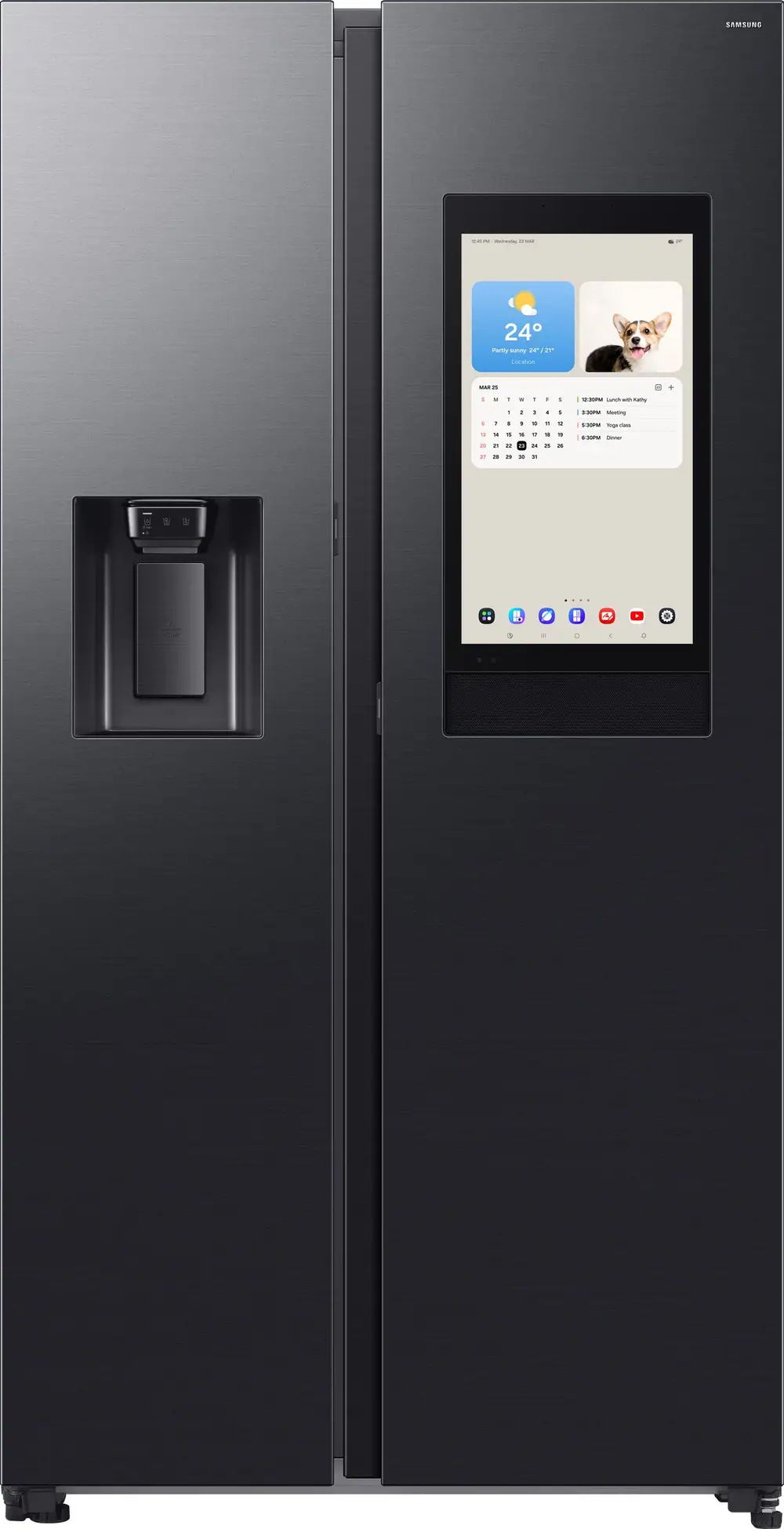
In plain English, WiFi connected usually means an appliance can link to your home network and offer some features through an app instead of only its buttons and display. On fridges, that can mean remote viewing, notifications, or control of selected settings; Samsung’s Family Hub range shows how far that can go when the feature set is premium. As a price reference, the Hisense PureFlat Infinite RQ758N4SWSE is listed at £1,199, while the Samsung Family Hub RS90F66BEFEU is £2,549, so the label alone does not tell you what you are paying for. Always check the retailer page for the exact connected functions, because WiFi connected is not one fixed package across every appliance.
WiFi tends to make the most sense on appliances you check often or share across a household. Fridge freezers are the clearest example because alerts, remote viewing and shared planning tools can help large households keep track of food and routines, while washing machines and dishwashers may benefit more from cycle notifications than from constant app use. Simpler appliances often gain less from being connected if you mainly want a straightforward on/off function. The key question is practical use: if you will not open the app regularly, the connected label may add little day-to-day value.
Smart features are usually a convenience purchase, not a guarantee of better core performance. The premium Samsung Family Hub fridge freezer shows the top end of this market, with app-linked extras and household coordination features, while the Hisense PureFlat Infinite gives you a more affordable connected reference point at £1,199. That price gap matters because you should only pay extra if the functions match how you live: remote checks, notifications and shared family use are easier to justify than a smart label on its own. For many shoppers, basic controls are enough if the appliance’s main job is the only thing they need it to do.
Before paying more for connected features, check the setup requirements carefully: many functions depend on WiFi, an app, and sometimes a separate account or device pairing. Also verify whether the connected tools are included on the exact model you are buying, because brand support pages show that features can vary by model and by account setup. Privacy settings, app compatibility and long-term support are worth checking too, especially if you want a fridge freezer to be useful for years rather than just at installation. For fridge freezers, keep dimensions, installation type and clearance in view as well, because smart features do not help if the appliance does not fit your space.
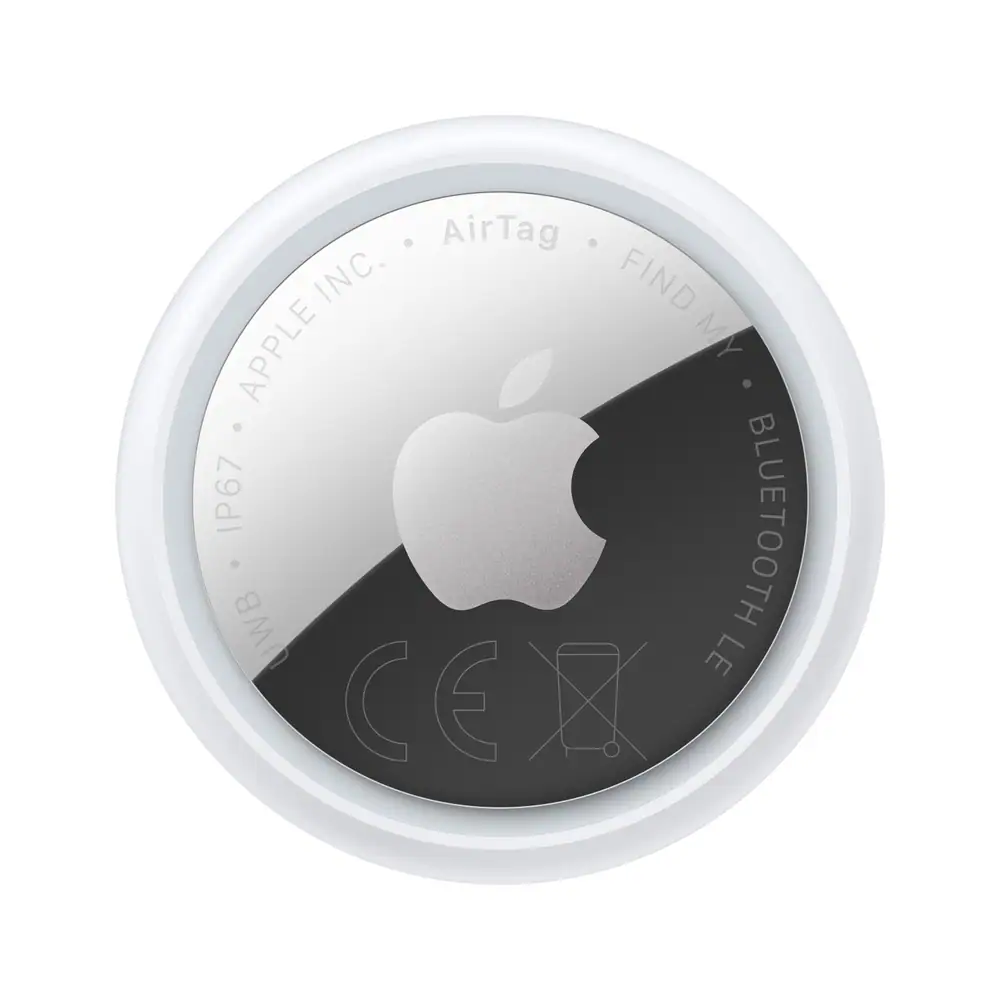
The clearest pattern is that WiFi connected means different things on different appliances, and the retailer label is only a starting point. Samsung’s Family Hub materials show the premium end of the category, with remote viewing, notifications and smart-home integration, while the Hisense fridge freezer gives a simpler connected example at £1,199. Review volume on the shortlisted fridge freezers is strong, with thousands of ratings for both Samsung and Hisense, but that shows visibility rather than proof that the smart features are better. The Apple AirTag example has very limited review evidence and is not a clean appliance comparison, so treat it cautiously or leave it out of a shortlist.
Start by deciding whether you want convenience or just core performance. If you want remote viewing, alerts or shared household control, a connected fridge freezer can make sense, but the Samsung Family Hub at £2,549 is a very different purchase from the Hisense PureFlat Infinite at £1,199, so the extra spend should buy features you will actually use. Compare the connected functions against the appliance basics that matter most: for fridge freezers that means capacity, dimensions, installation type and fit, not just the smart badge. If a product’s smart tools are unclear on the retailer page, assume nothing and verify the live listing before buying.
from £1,199.
£1,199
Rated 4.9 / 5 from up to 3,293 reviews
Colours tracked: Stainless Steel
from £29.
£29
Rated 4.7 / 5 from up to 9 reviews
Colours tracked: White
from £2,549.
£2,549
Rated 4.8 / 5 from up to 4,331 reviews
Colours tracked: Black
Last checked 2026-09-28. The source list below is included to help you check the details behind the comparison. Always confirm the latest price, delivery cost, stock status and product details with the retailer before buying.
Use these related electricals guides and reviews to turn the advice into a practical shortlist.
They usually still work for the core task, but app control, remote viewing and notifications normally need an internet connection and a working account setup. If the connection drops, you should expect the appliance to keep running, just with fewer smart features available.
On some models, you can view contents remotely, receive alerts, and use app-linked controls or smart-home features. Samsung’s Family Hub range is the clearest example in the supplied products, while the Hisense PureFlat Infinite is a simpler connected reference point.
Only if you will use the connected features often enough to justify the price gap. For many people, WiFi is a convenience upgrade rather than a need, and the extra spend is harder to justify if you only want the appliance to do its core job well.
Check the exact connected functions, the latest price, delivery and warranty details, plus the dimensions and installation requirements. For fridge freezers, also confirm fit and clearance so the smart extras do not distract from the practical basics.
Not automatically. Connected features may help with monitoring or reminders, but running costs still depend more on the appliance type, efficiency rating and how you use it, so do not treat WiFi as a shortcut to cheaper use.