Available 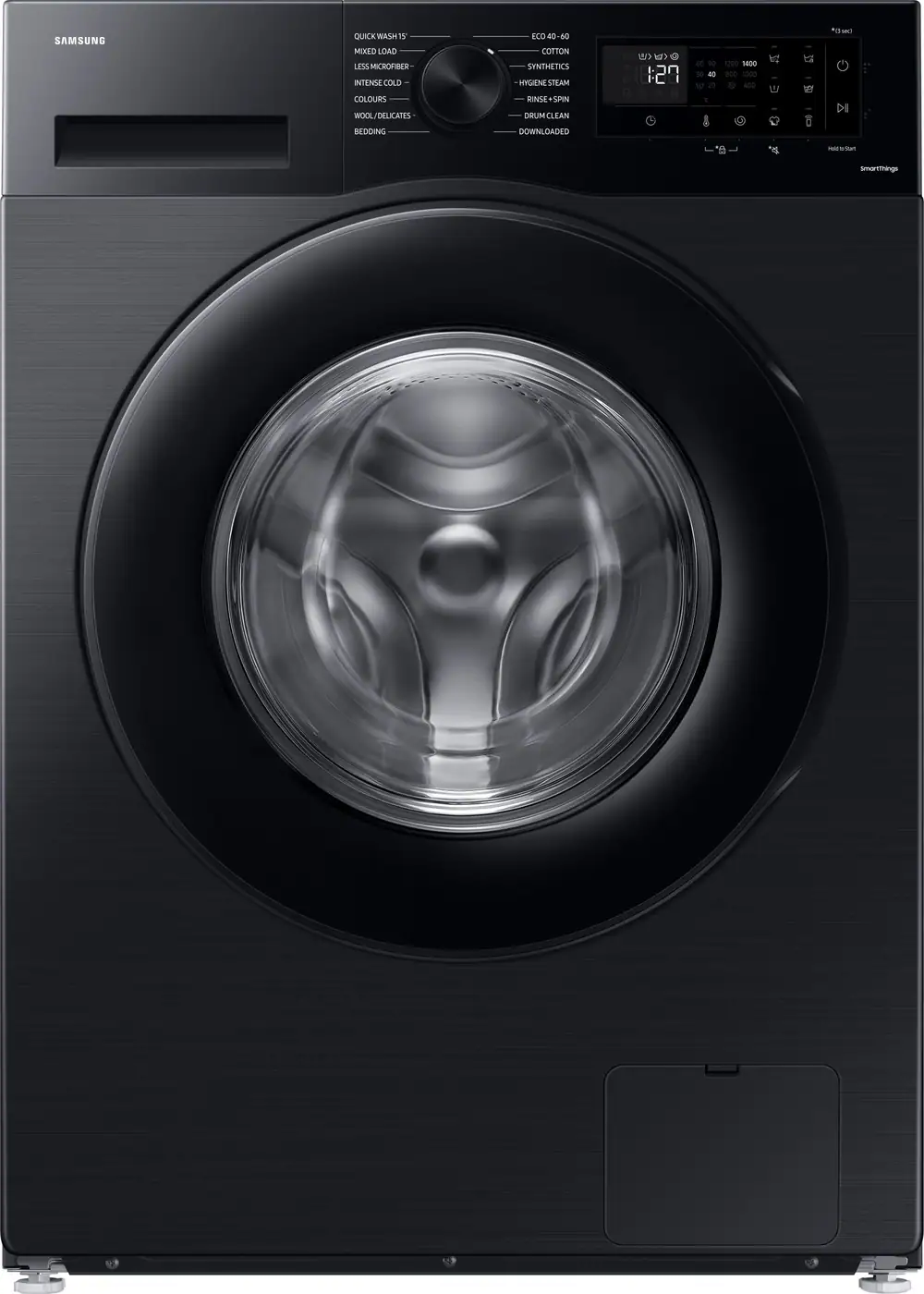
Samsung Series 5 AI Energy ecobubble™ WW80CGC04DAB 8kg Washing Machine with 1400 rpm
from £349.
£349
Rated 4.8 / 5 from up to 2,856 reviews
Colours tracked: Black
Guide
Use the energy label first, then compare capacity, price and fit to choose an efficient appliance that suits your household and laundry habits.
ReviewX may earn a commission if you buy through links on this site.
Last verified: 2026-07-19
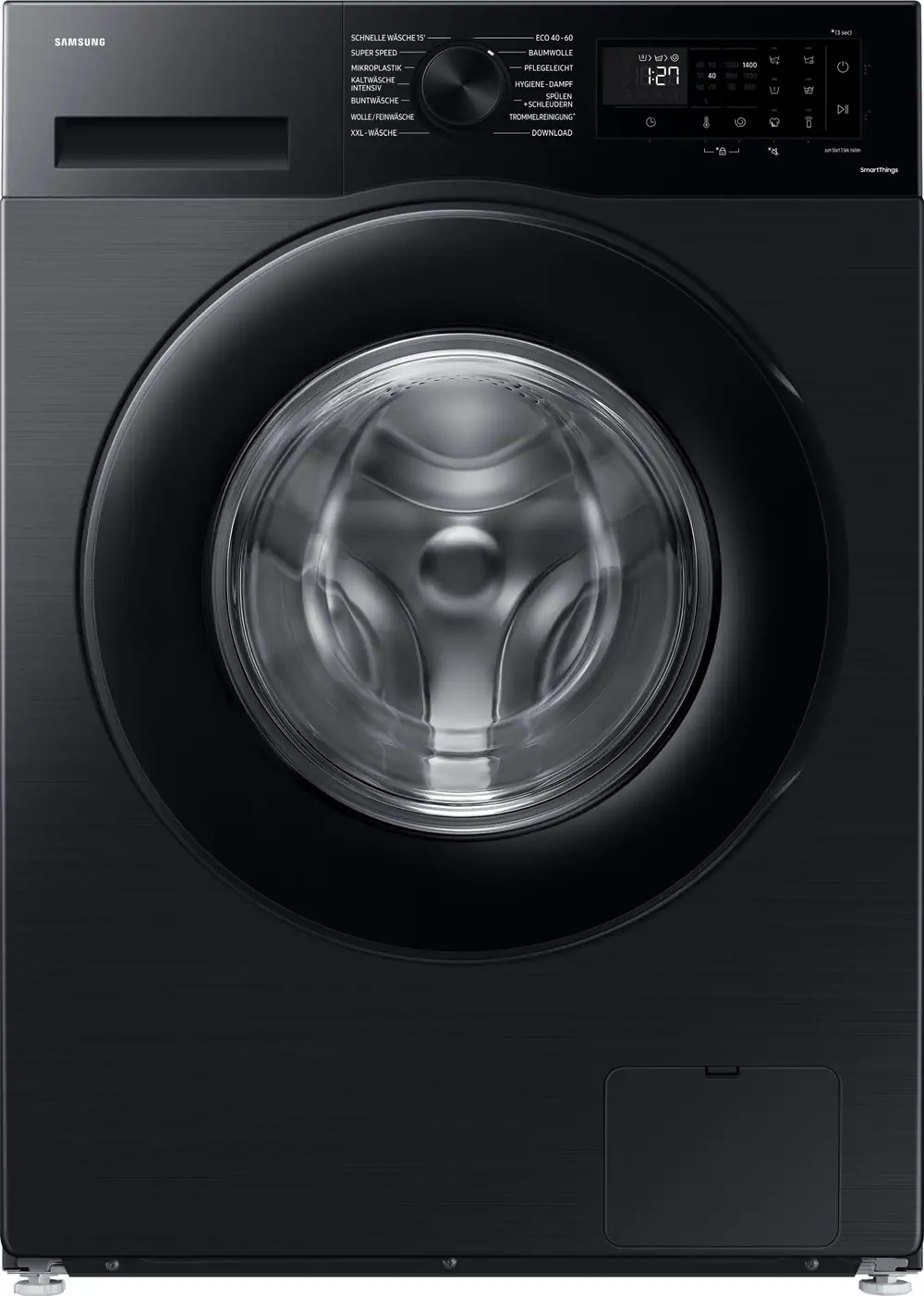
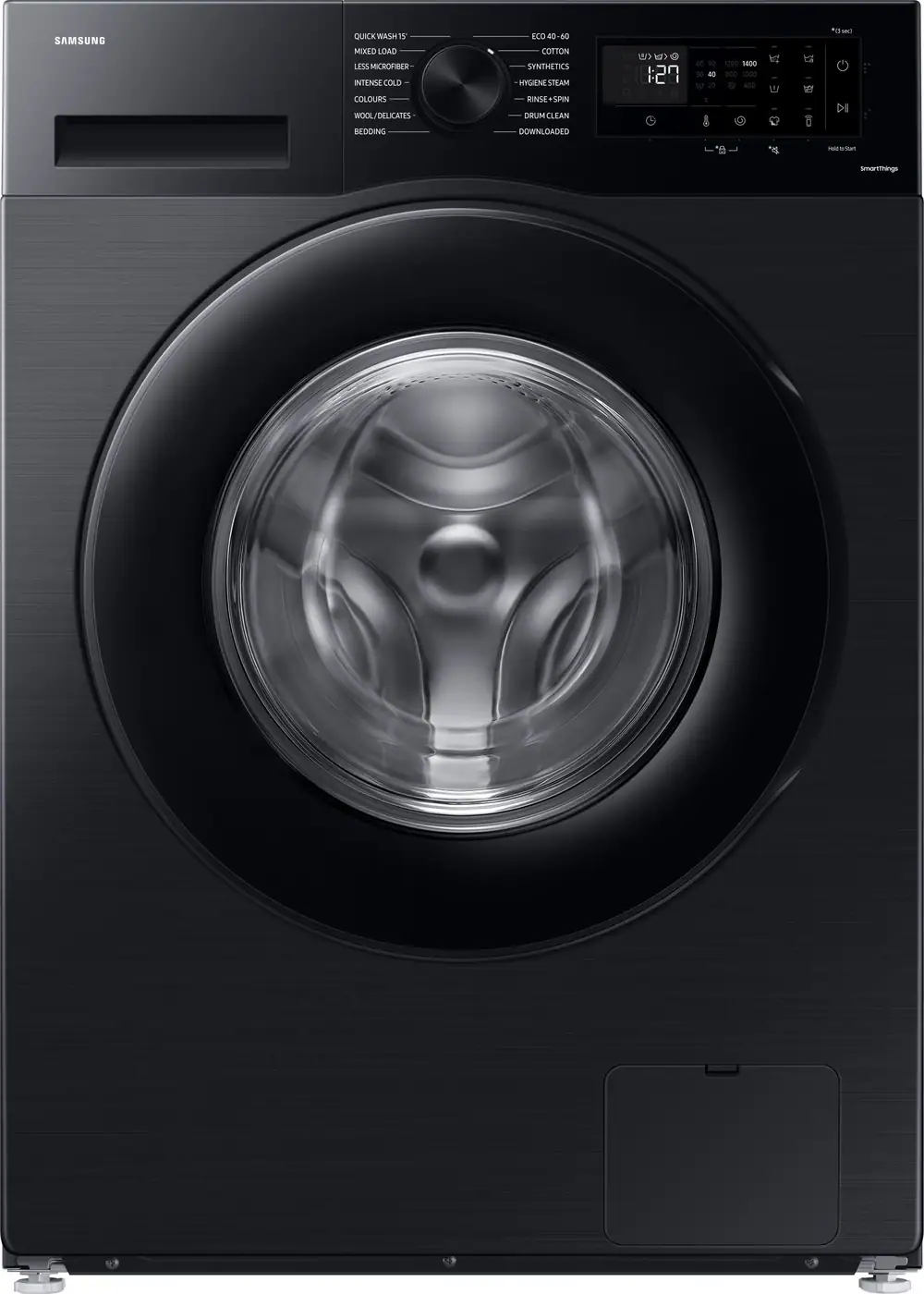
For shoppers, efficiency is about how an appliance uses power in everyday life, not just the headline label. In washing machines, the most useful checks are the energy rating, capacity, spin speed, and whether features like eco cycles or sensor-based adjustment help match the load more closely. The three Samsung freestanding examples here all run at 1400 rpm, so the clearer differences are capacity and price: the 8kg WW80CGC04DAB at £349, the 9kg WW90CGC04DAB at £449, and the 10kg WW10FG5U34ABEU at £499.
Pay more when the added feature changes how the machine fits your laundry, not just how it looks on the product page. For washing machines, eco cycles and sensor-led programs can be useful if they reduce wasted water or better match smaller loads, while a high spin speed such as 1400 rpm can help leave less moisture in clothes. On the other hand, convenience extras and smart features are only worth a premium if they make the machine more usable for your household, especially when the review details is similar across all three Samsung models.
The energy label should be your first filter, but it is a comparison tool rather than a promise of your own bill. Current guidance from AO and consumer sources says the newer A-to-G scale helps you compare similar appliances, while actual energy use still depends on how often you wash, what load sizes you run, and which cycles you choose. That is why the 8kg, 9kg and 10kg Samsung models are best read as a capacity-and-price comparison first, then a running-cost comparison second.
The same buying approach works across electricals, but the checks change by category. For washing machines, start with capacity planning, installation type, dimensions and clearance, then look at the label and features; for other appliances, the key is to identify which specification most affects day-to-day use and running cost. In this shortlist, all three Samsung machines are freestanding and share 1400 rpm, so the household-size fit matters more than decorative differences.
A lower upfront price can be the better decision if it already matches your household’s laundry load. Here, the Samsung WW80CGC04DAB 8kg model at £349 looks like the budget-friendly option for smaller loads, while the WW90CGC04DAB 9kg at £449 is the middle-ground compromise and the WW10FG5U34ABEU 10kg at £499 suits larger households that will actually fill the drum. If you do not need the extra space, paying more for capacity you will not use may not be the best value.
The clearest takeaway is that energy labels are meant to help shoppers compare similar appliances, not just chase the lowest sticker price. Official guidance also makes two important points for washing machines: newer labels use an A-to-G scale, and the figures estimate typical use rather than guaranteeing your own energy bills. In the supplied shortlist, all three Samsung freestanding machines show the same 4.8-star average and up to 2,856 reviews, so public ratings do not separate them well; capacity and price are the real differences.
There is no universal winner here, because the evidence is narrow and the three Samsung washing machines are close on review details and spin speed. The practical choice is between £349 for 8kg, £449 for 9kg and £499 for 10kg: choose the 8kg model if budget is tight, the 9kg model if you want a compromise, and the 10kg model if your household regularly needs the extra drum space. Before buying, check the latest AO price, delivery cost, warranty terms, dimensions, installation needs and the full energy label on the retailer page.
from £349.
£349
Rated 4.8 / 5 from up to 2,856 reviews
Colours tracked: Black
from £499.
£499
Rated 4.8 / 5 from up to 2,856 reviews
Colours tracked: Black
from £449.
£449
Rated 4.8 / 5 from up to 2,856 reviews
Colours tracked: Black
Last checked 2026-07-19. The source list below is included to help you check the details behind the comparison. Always confirm the latest price, delivery cost, stock status and product details with the retailer before buying.
Use these related electricals guides and reviews to turn the advice into a practical shortlist.
Match capacity to household size and laundry habits. The 8kg Samsung model at £349 suits smaller loads or tighter budgets, the 9kg model at £449 is the middle-ground option, and the 10kg model at £499 makes more sense if you regularly wash larger loads.
They help you compare similar machines, but they do not guarantee your bills. The current A-to-G label gives a useful efficiency guide, yet actual running costs still depend on load size, cycle choice, and how often you use the machine.
Because the supplied shortlist shows the same 4.8-star average and up to 2,856 reviews for all three. That suggests strong public feedback overall, but it does not tell you which size is best, so capacity and price are still the better decision points.
Confirm the latest price, stock, delivery charges, dimensions, clearance needs, installation type and warranty terms. Since live product details can change, it is worth checking the full energy label and product fiche before you decide.