Available 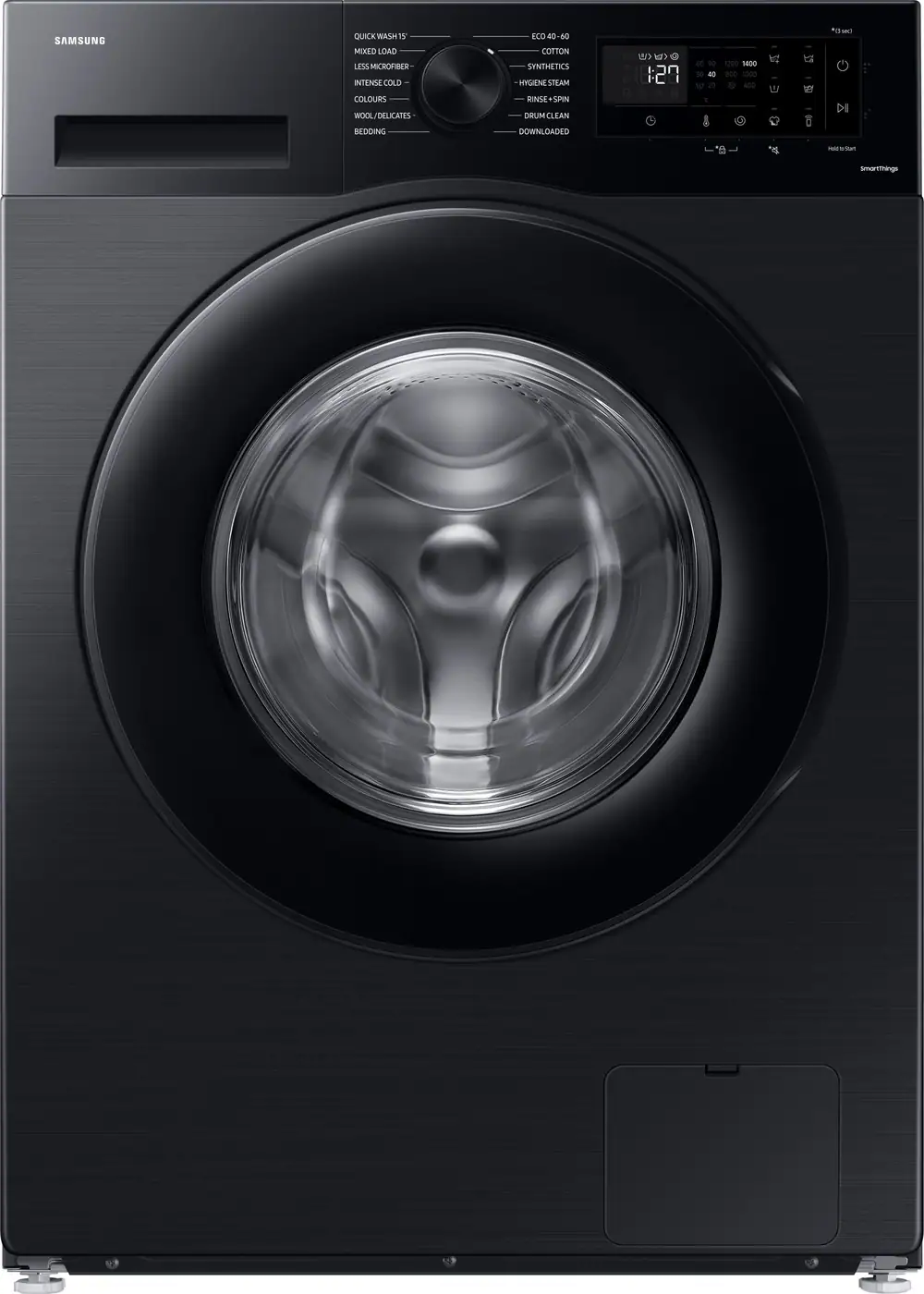
Samsung Series 5 AI Energy ecobubble™ WW80CGC04DAB 8kg Washing Machine with 1400 rpm
from £349.
£349
Rated 4.8 / 5 from up to 2,884 reviews
Colours tracked: Black
Guide
Compare lower-running-cost electricals by energy label, capacity and everyday usage first, then weigh smart features, fit and value on the live retailer page.
ReviewX may earn a commission if you buy through links on this site.
Last verified: 2026-07-31
Lower running cost is not just about the purchase price, because bills and upkeep depend on how the product is used as well as what it costs to buy. AO’s guidance says washing machine running costs are shaped by power rating, time used and electricity price, so wattage alone does not tell the full story. For shoppers comparing Samsung Series 5 AI Energy ecobubble™ WW80CGC04DAB 8kg, WW90CGC04DAB 9kg and WW10FG5U34ABEU 10kg models, the useful checks are the energy label, programme choice and how often the machine will actually run in your home.
For washing machines, the most useful money-saving features are usually the ones that change how often or how hot you wash, not the flashiest headline badge. AO says eco-style wash programmes can cut energy use by washing at lower temperatures over longer cycles, which may suit households that can trade speed for efficiency. Samsung’s AI Energy Mode and ecobubble messaging may be worth noting, but they are brand claims unless independently verified, so they should sit behind the A–G energy label, cycle options and the real capacity you need.
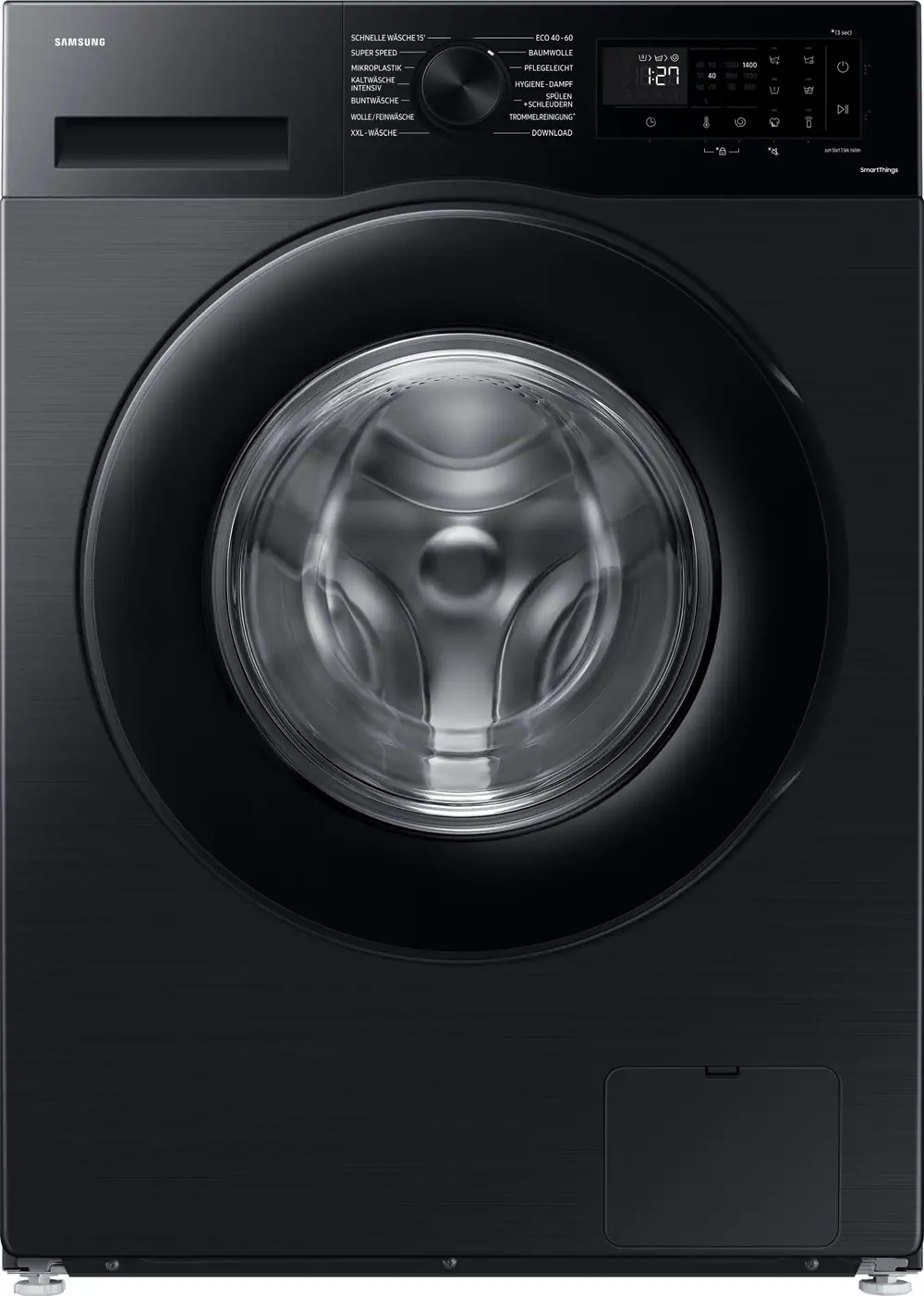
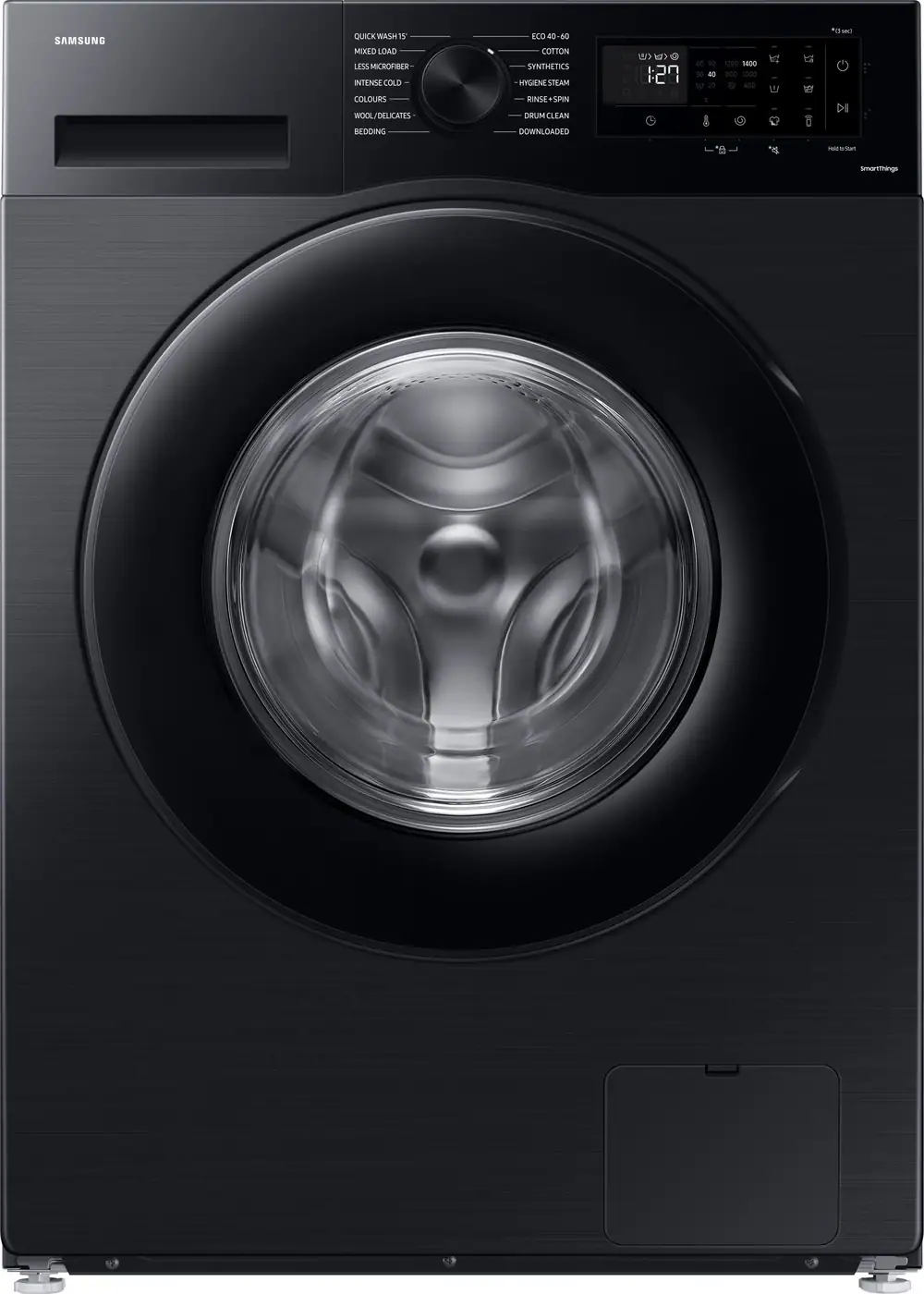
On this guide’s shortlist, the most meaningful spending decision is not between different product types but between the 8kg, 9kg and 10kg Samsung washing machines priced at £349, £429 and £499. Because the review details are similarly strong across all three, with 4.8 averages and up to 2,879 reviews, the price spread is narrow enough that capacity fit matters more than chasing a bigger number. The 8kg model is the entry point, while the 9kg and 10kg options make more sense only if the household regularly builds up larger loads.
Cheaper is often better value when the extra capacity or smart features do not match real laundry habits. Energy Saving Trust warns that buying appliances that are too large can be a mistake, so a lower-priced 8kg Samsung may be the smarter buy for a smaller household than stretching to a 10kg model just in case. If your loads are modest and you do not need niche smart features, paying more can simply mean more drum space, not lower annual running costs.
A practical comparison starts with the A–G energy label, then checks the drum size, wash programmes and installation fit on the live AO page. AO treats a C rating or above as a useful efficiency benchmark for washing machines, but you still need to check whether the model offers eco or low-temperature cycles that suit your routine. Before you buy, compare the exact dimensions, clearance needs, delivery terms and whether the capacity matches how many loads you wash in a typical week.
This is a cautious shortlist rather than a winner list, because the live retailer pages could not be read in full during checking and the brand context is narrow. The clearest split is capacity: the Samsung 8kg, 9kg and 10kg freestanding machines sit in a tight £349 to £499 band, all show a 4.8 average rating, and each has up to 2,879 reviews. That means the practical decision is less about popularity and more about fit, label and cycle use. A smaller household is more likely to be comfortable with 8kg, while 9kg and 10kg are better matched to bigger wash piles if they are genuinely filled often.
If you want lower running costs without overspending, start by matching capacity to laundry volume, then work back to price and features. The 8kg Samsung Series 5 AI Energy ecobubble™ at £349 is the most affordable option, the 9kg model at £429 sits in the middle, and the 10kg model at £499 asks you to pay more for extra drum space. That extra space only helps if your household actually needs it; otherwise, a larger drum can be a waste. Also check the freestanding installation type, dimensions, clearance, delivery terms, warranty cover and service details on AO before ordering.
from £349.
£349
Rated 4.8 / 5 from up to 2,884 reviews
Colours tracked: Black
from £529.
£529
Rated 4.8 / 5 from up to 2,884 reviews
Colours tracked: Black
from £429.
£429
Rated 4.8 / 5 from up to 2,884 reviews
Colours tracked: Black
Last checked 2026-07-31. The source list below is included to help you check the details behind the comparison. Always confirm the latest price, delivery cost, stock status and product details with the retailer before buying.
Use these related electricals guides and reviews to turn the advice into a practical shortlist.
No. A bigger drum can be useful for bigger households, but Energy Saving Trust warns that buying a machine that is too large can waste energy if you do not fill it often enough. Running cost depends on usage, not size alone.
Check the A–G energy label first, then look at the drum size, eco programme options and whether the machine suits your normal wash pattern. AO also says running cost depends on time used and electricity price, so the number on the page is only part of the picture.
They can. AO says eco-style wash programmes use lower temperatures over longer cycles, which can reduce energy use, but you may be trading convenience for efficiency. If faster turnaround matters more than bill-saving, an eco cycle may not suit every load.
They may be useful if they change how you use the machine, but they are still brand-provided efficiency claims unless independently verified. For most shoppers, capacity, energy label and eco cycles are the more important checks before paying extra.
Start with how many loads you do and how full they usually are. An 8kg model may suit smaller households, while 9kg and 10kg machines are more plausible for larger laundry volumes, but oversizing can waste energy if the drum stays half empty most of the time.