Available 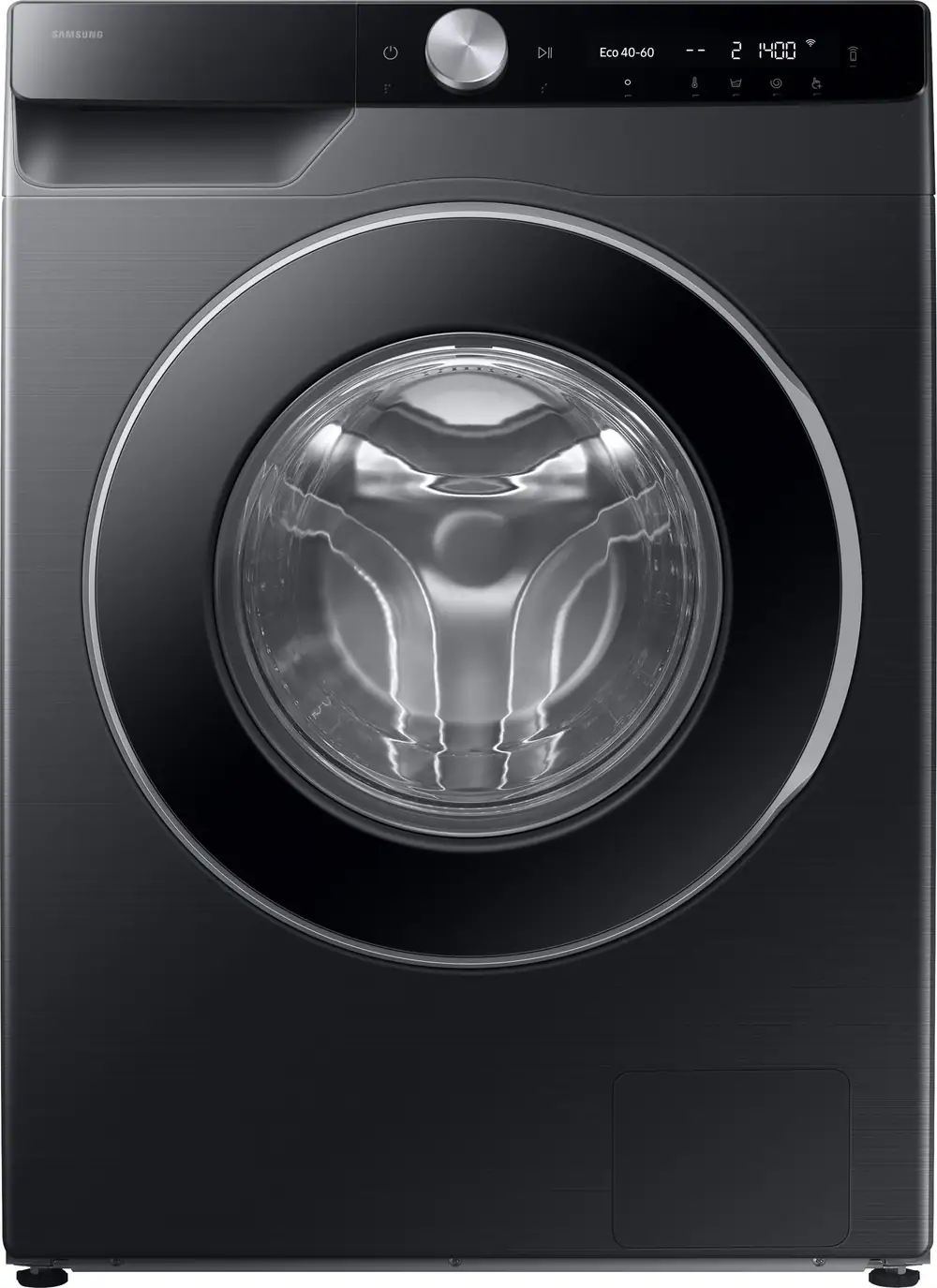
Samsung Series 6+ AI Energy SpaceMax™ WW11DG6B85LBU1 11kg Auto Dosing Washing Machine with 1400 rpm
from £649.
£649
Rated 4.8 / 5 from up to 2,050 reviews
Colours tracked: Black
Guide
Choose a washing machine for lower running costs by matching energy rating, capacity and useful efficiency features to your laundry habits, not just the sticker price.
ReviewX may earn a commission if you buy through links on this site.
Last verified: 2026-10-14
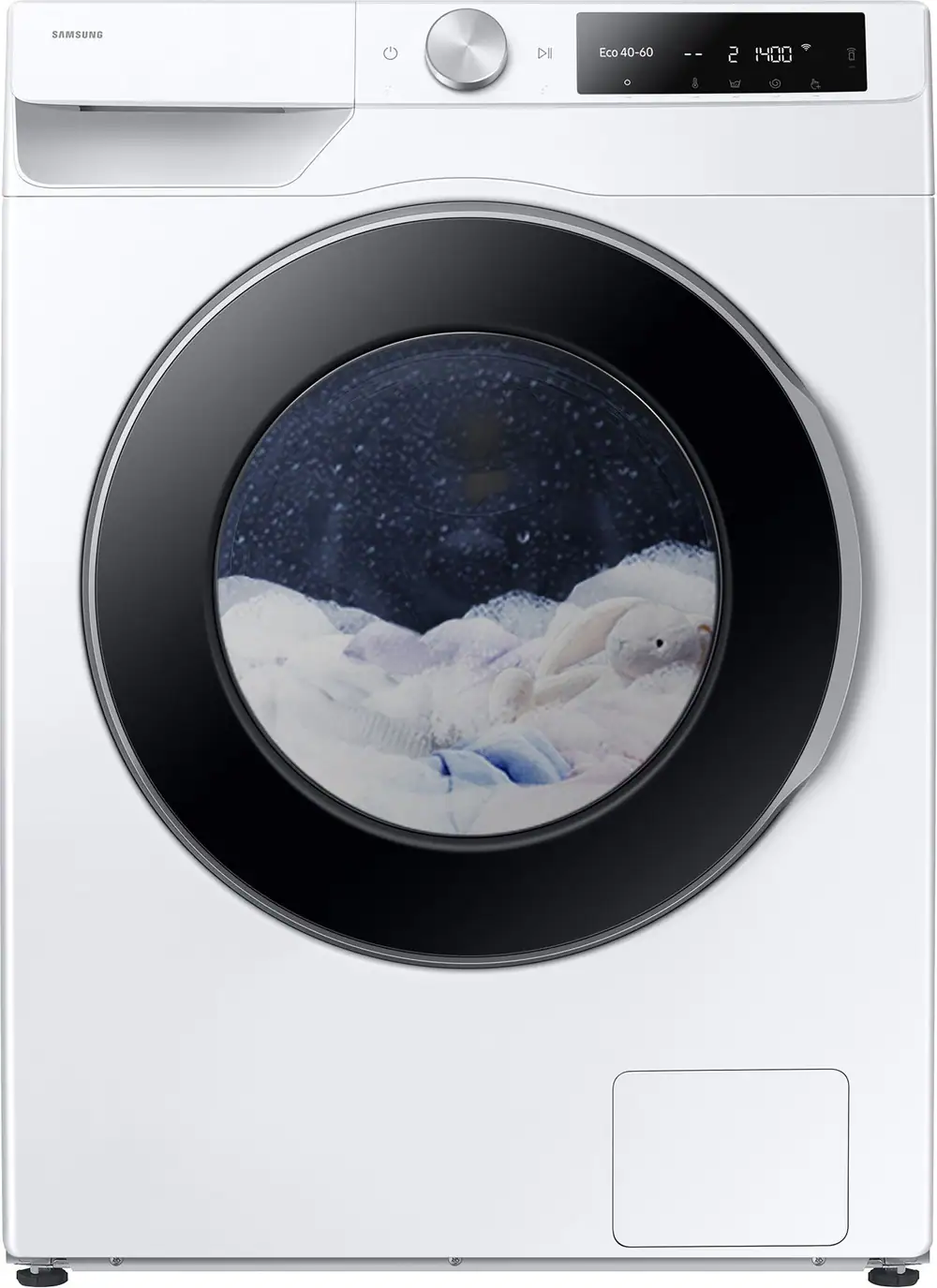
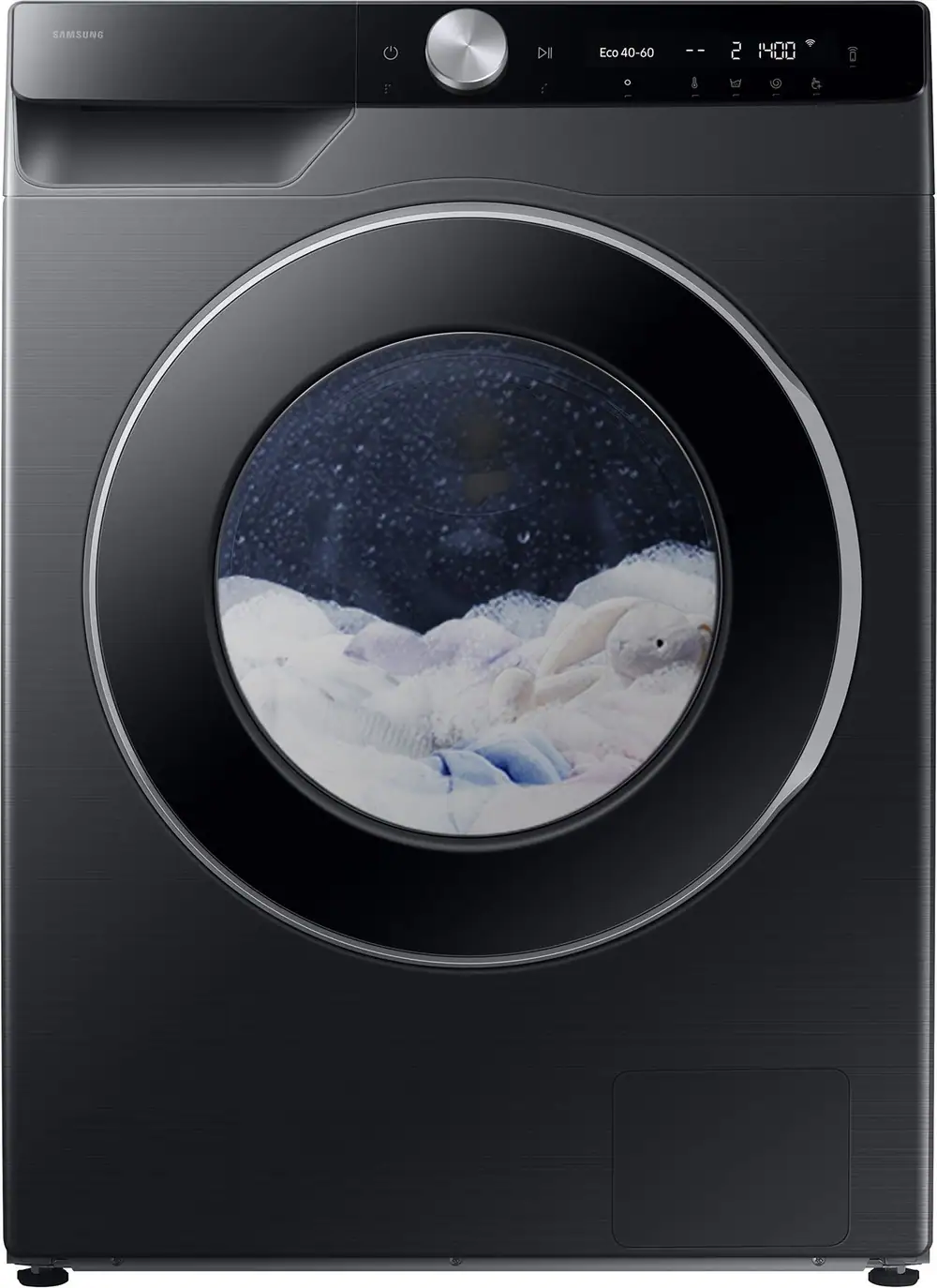
The main costs come from how much energy and water a machine uses, how long its programmes run and whether the drum size suits the load you put in. AO’s buying guidance says to check the energy rating when lower running costs matter, and the product datasheet guidance adds that loading the washer up to the manufacturer-indicated capacity can support savings. For a practical comparison, the Samsung Series 6+ AI Energy SpaceMax™ WW11DG6B85LBU1 11kg model at £649, the WW11DG6B85LEU1 11kg model at £594 and the WW90DG6U85LBU1 9kg model at £493 show how a narrow price band can still hide different capacity choices.
AO’s guidance points shoppers towards eco programmes, sensor-controlled wash features, auto dosing and a faster spin when lower running costs are the goal. Eco settings typically wash at lower temperatures for longer, sensor controls can adjust water, time and energy to the load, and a quicker spin can remove more water so clothes dry faster afterwards. On the Samsung shortlist, recurring product-page cues such as AI Energy, Auto Dosing, SpaceMax and SmartThings suggest these are the features to weigh against your own laundry habits rather than assuming the priciest model is automatically the cheapest to run.
Capacity matters because a drum that is too large for your household can lead to underfilled cycles, while a drum that is too small can force more frequent washes. AO’s product-datasheet advice is clear: loading to the manufacturer-indicated capacity supports energy and water savings, so a 9kg machine may suit smaller households better if an 11kg drum would often run half-empty. That makes the Samsung WW90DG6U85LBU1 9kg model the right comparison point against the two 11kg SpaceMax machines when you want to decide whether extra drum space would actually reduce waste.
A higher price can make sense if it buys the right capacity, better load-matching features or a spec that fits a busy household more closely. In this shortlist, the price spread is relatively tight at £493 to £649, so the decision is less about finding a dramatic bargain and more about whether the 11kg Samsung models’ extra capacity is useful enough to justify paying more than the 9kg option. If you wash large loads often, the cost difference may be easier to justify; if you rarely fill the drum, the cheaper 9kg machine is likely the more practical fit.
This is a cautious retailer-led shortlist, so the most useful takeaways are about fit and feature matching rather than declaring a winner. AO’s guidance consistently puts energy rating, eco programmes, sensor-controlled washing, load size and spin speed at the centre of lower running costs, while the three Samsung examples all sit in the same 4.8-rated group with up to 2,050 reviews. That rating strength suggests broad shopper approval, but it does not prove lower cycle costs; there were no verified per-cycle running-cost figures for these exact models, so the live product page still needs checking for the exact energy rating, dimensions and efficiency features.
If you want the best fit for larger households, start with the two 11kg Samsung models: WW11DG6B85LBU1 at £649 in black and WW11DG6B85LEU1 at £594 in white. If your laundry piles are smaller, the 9kg WW90DG6U85LBU1 at £493 is easier to justify because a bigger drum only helps if you load it properly. Before buying, check the latest price, stock, delivery cost and dimensions on AO, and confirm whether the live listing includes the efficiency features you want, such as auto dosing, sensor-controlled wash or the exact eco options.
from £649.
£649
Rated 4.8 / 5 from up to 2,050 reviews
Colours tracked: Black
from £594.
£594
Rated 4.8 / 5 from up to 2,050 reviews
Colours tracked: White
from £493.
£493
Rated 4.8 / 5 from up to 2,050 reviews
Colours tracked: Black
Last checked 2026-10-14. The source list below is included to help you check the details behind the comparison. Always confirm the latest price, delivery cost, stock status and product details with the retailer before buying.
Use these related electricals guides and reviews to turn the advice into a practical shortlist.
It can help, mainly by cutting detergent waste and making it easier to dose correctly for the load. On the Samsung shortlist, Auto Dosing is part of the efficiency-led feature set, but you should still check the live AO page to confirm the exact setup on the model you want.
It can be, if you regularly fill the drum close to its intended capacity. AO’s guidance says loading correctly supports energy and water savings, so an 11kg machine may suit larger households better than a 9kg model that would be underfilled most of the time.
Often yes, because AO says a faster spin removes more water so clothes dry quicker. That can be useful if you rely on indoor drying or want to reduce tumble-dryer time afterwards, but it is still worth balancing against capacity and energy rating.