Available 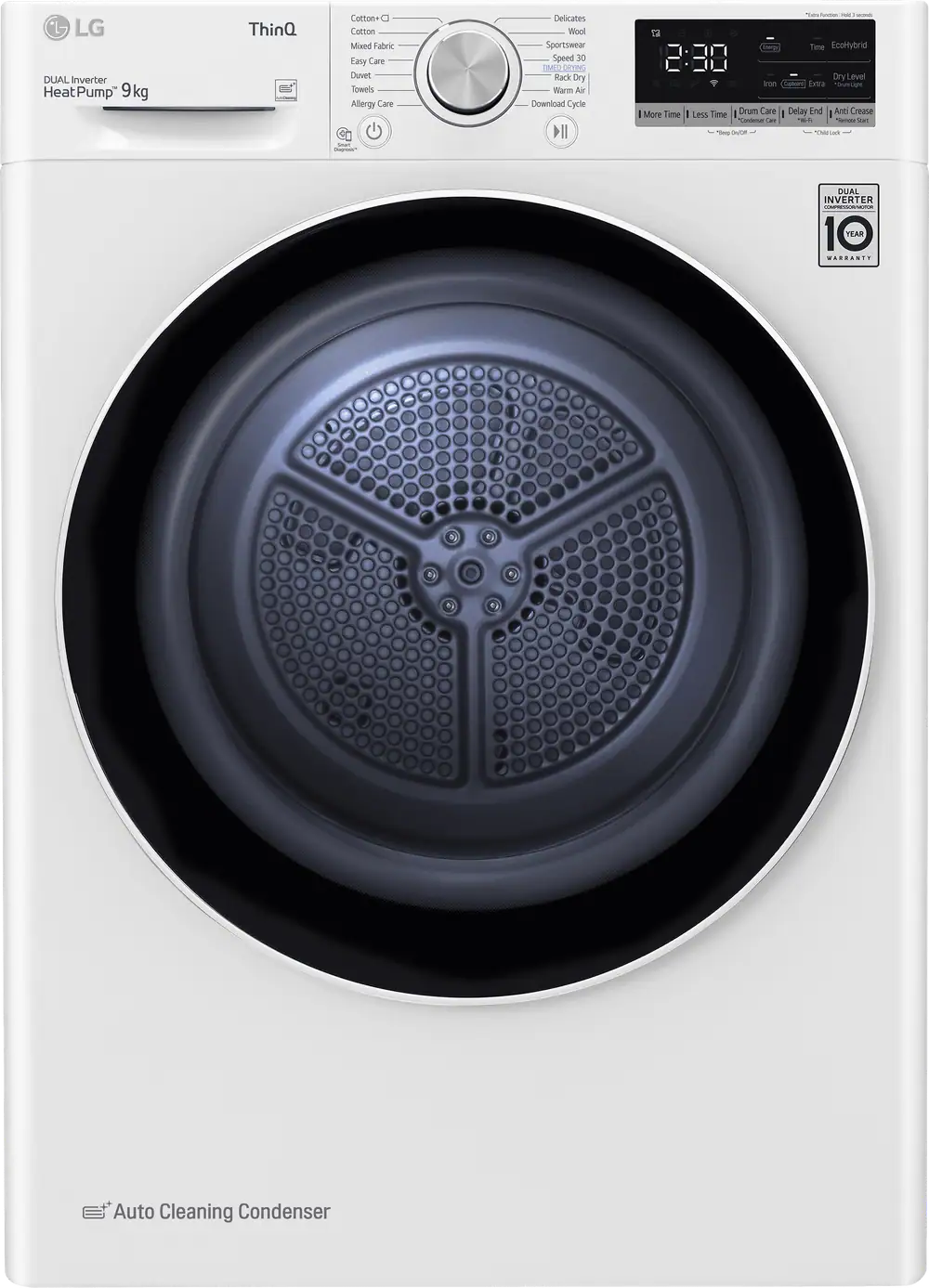
LG V7 FDV709W Connected 9Kg Heat Pump Tumble Dryer with Allergy Care, Gentle Care, A++ Energy Rating
from £539.
£539
Rated 4.8 / 5 from up to 843 reviews
Colours tracked: White
Guide
Choose by energy rating, appliance type and capacity fit first, then compare price and features so you do not pay less upfront only to spend more over time.
ReviewX may earn a commission if you buy through links on this site.
Last verified: 2026-07-14
The main running-cost drivers are the appliance’s energy rating, how long it runs and how much electricity costs where you live. AO’s guidance also points shoppers to the current A-G energy scale, where A is the most efficient, so price alone is not a reliable guide to lifetime cost. In the shortlist, the Samsung Series 5 AI Energy WW10FG5U34ABEU 10kg Washing Machine is £499, the LG V7 FDV709W 9kg heat pump dryer is £539 and the Samsung Series 6 DV90T6240LN 9kg heat pump dryer is £642; the lower sticker price does not automatically mean the lower running cost.
For dryers, the key efficiency choice is heat pump technology, because it recycles warm air in a closed loop rather than constantly generating heat. That can mean lower energy use, but AO also notes the trade-off: more efficient dryers may take longer to dry clothes, so you are balancing bills against cycle speed. Eco or lower-temperature wash programmes can also help on washing machines, while smart features are only worth extra if they genuinely change how you use the appliance, such as better scheduling or more efficient programme selection.
Capacity matters because a machine that is too small can tempt you into overfilling it, while one that is too large may be underfilled most of the time. The Samsung washing machine in the shortlist is a 10kg freestanding model, which gives it a different household fit from the two 9kg heat pump dryers. Before buying, check the dimensions, installation type and clearance requirements on the AO product page, especially if you are fitting into a utility space, under a counter or into a narrow gap.
A more expensive model only makes sense if its energy rating, technology or capacity better fits your real usage. In this shortlist, the Samsung heat pump dryer at £642 costs more than the LG heat pump dryer at £539, but both sit in the same lower-energy dryer category, so it is worth comparing the energy label, programme range and features rather than assuming the dearer option will cost less to run. For washing machines, AO’s product fiches that show annual kWh are especially useful, because they let you compare running cost more directly than marketing wording.
The clearest rule is to compare the appliance type and energy figure before anything decorative. AO says running cost depends on wattage, usage time and electricity price, and its energy-label guidance explains why the A-G scale matters; for washing machines, lower-water and cooler-water washing is a key way to cut energy use, while eco programmes usually take longer. For tumble dryers, heat pump models are the lower-energy option, and moisture-sensor drying is a useful feature because it can stop the cycle once clothes are dry instead of wasting energy by over-drying. That is why the shortlist is useful as a comparison set: the Samsung Series 5 AI Energy WW10FG5U34ABEU 10kg Washing Machine at £499 gives the clearest washing-machine example, while the LG V7 FDV709W 9kg heat pump dryer at £539 and Samsung Series 6 DV90T6240LN 9kg heat pump dryer at £642 show the dryer trade-off between upfront price and lower-energy technology.
Treat the three examples as comparison points, not a ranking: LG’s £539 heat pump dryer, Samsung’s £642 heat pump dryer and Samsung’s £499 10kg washing machine all show a 4.8 average rating in the supplied comparison data. The Samsung washer has the strongest review pool with 2,852 reviews, versus 843 for the LG dryer and 737 for the Samsung dryer, so its rating is backed by a much larger public response. If lower running costs matter most, start with the heat pump dryers; if capacity and a stronger review pool matter more, the Samsung 10kg washer is the clearest comparison case.
from £539.
£539
Rated 4.8 / 5 from up to 843 reviews
Colours tracked: White
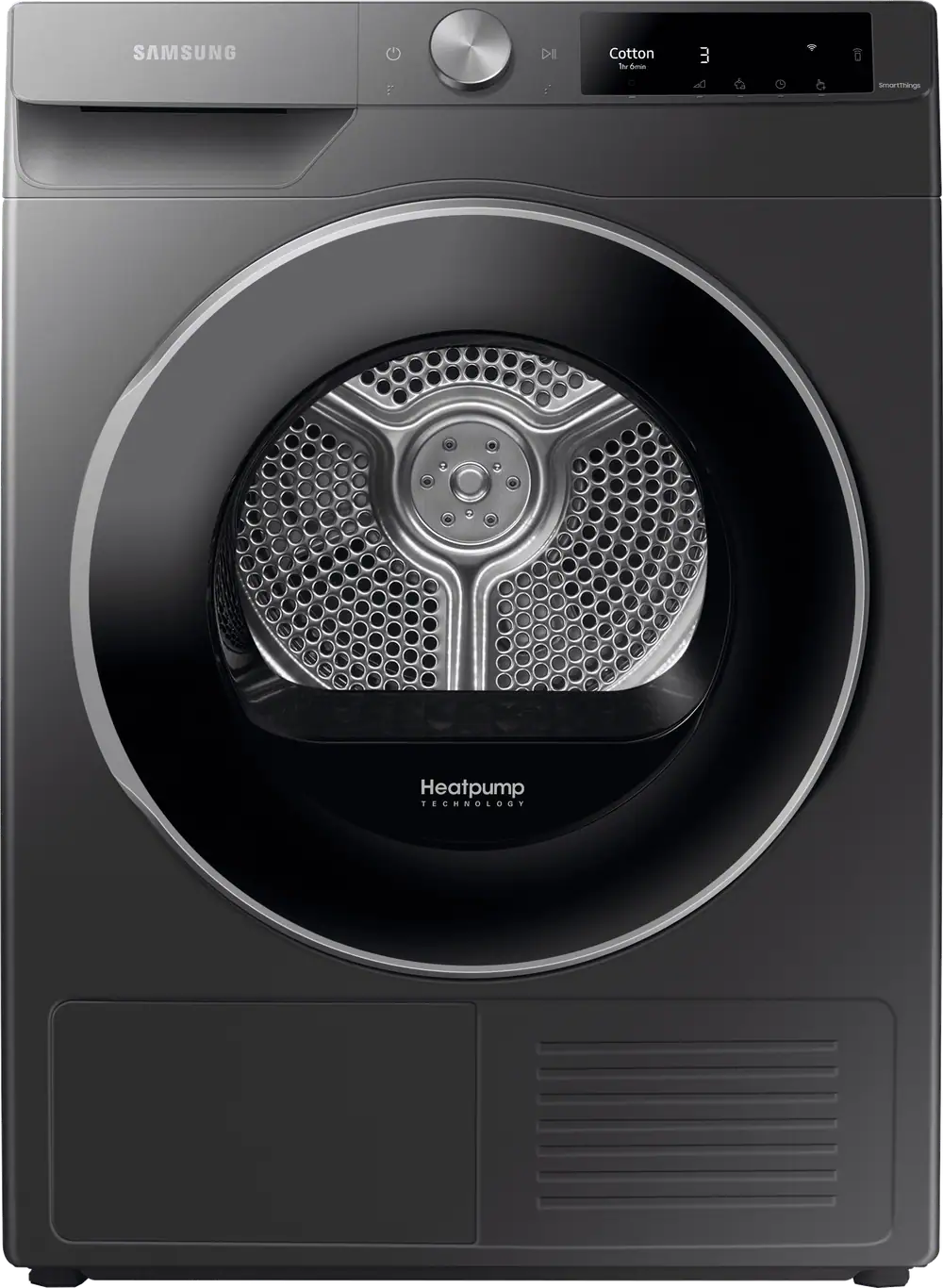
from £642.
£642
Rated 4.8 / 5 from up to 737 reviews
Colours tracked: Graphite
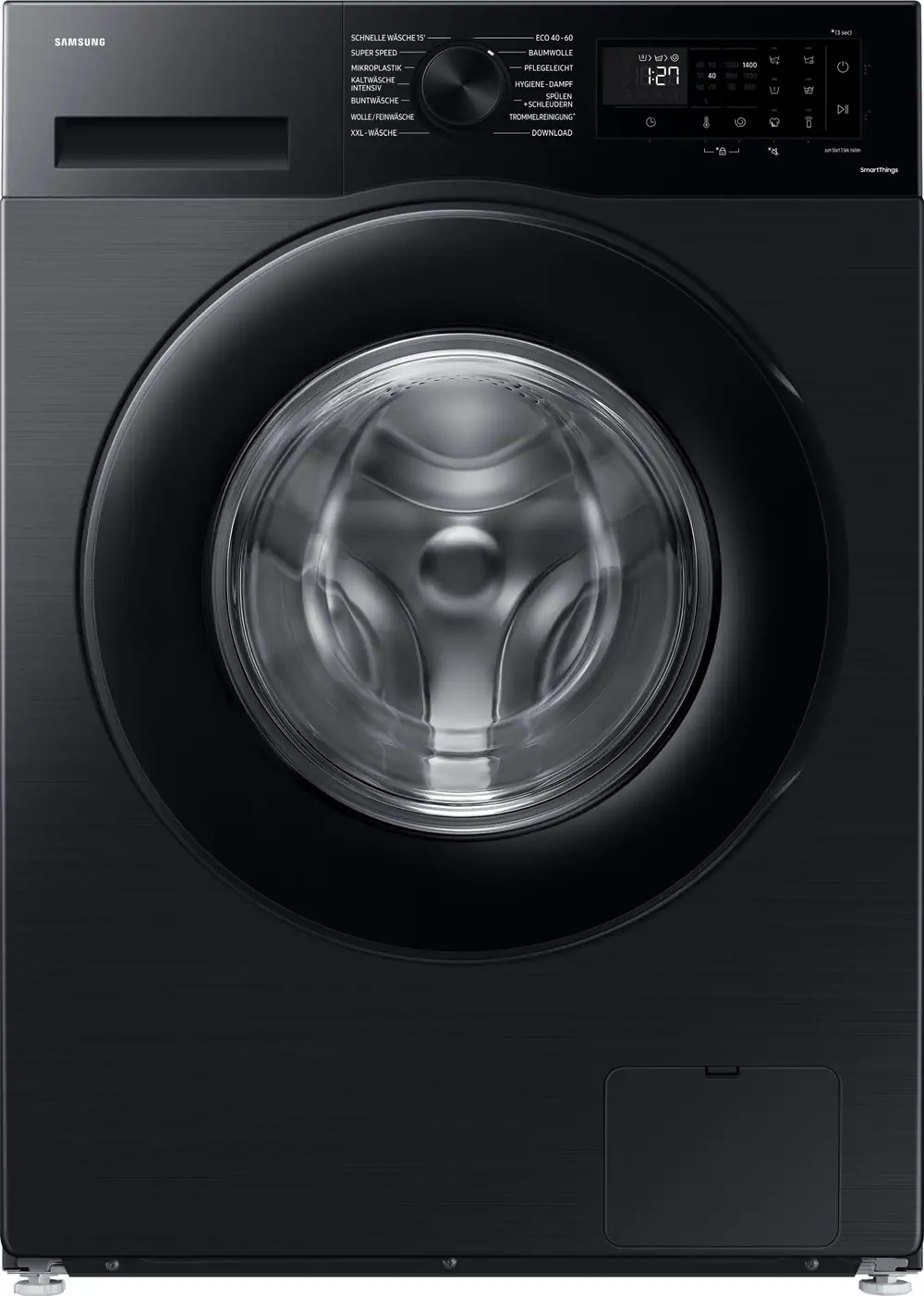
from £499.
£499
Rated 4.8 / 5 from up to 2,852 reviews
Colours tracked: Black
Last checked 2026-07-14. The source list below is included to help you check the details behind the comparison. Always confirm the latest price, delivery cost, stock status and product details with the retailer before buying.
Use these related electricals guides and reviews to turn the advice into a practical shortlist.
Sometimes, but only indirectly. Smart controls are most useful when they change behaviour, such as better scheduling or selecting more efficient cycles, rather than just adding app control. On this shortlist, smart connectivity is a convenience feature, not the main efficiency reason to buy.
No. The Samsung washing machine is the cheapest example at £499, but running cost depends more on energy rating, appliance type and how often you use it. A higher upfront price, such as the £642 Samsung heat pump dryer, may still be justified if the lower-energy technology suits your household.
Check the current price, delivery cost and stock, plus the exact energy label, annual kWh or per-cycle figure where shown. Also confirm capacity, dimensions, installation type, clearance needs and whether efficiency helpers such as moisture-sensor drying or eco programmes are listed on the live page.
Not always. They are the clearest low-running-cost dryer type in the shortlist, but you still need to compare capacity, programme length and the way you dry clothes. If you dry loads infrequently, the extra upfront cost may matter more than the energy saving.
Choose the largest capacity that still matches your actual washing pattern and space. The Samsung washing machine here is 10kg, while both dryers are 9kg, so compare household size, load frequency and where the appliance will sit before deciding.