Available 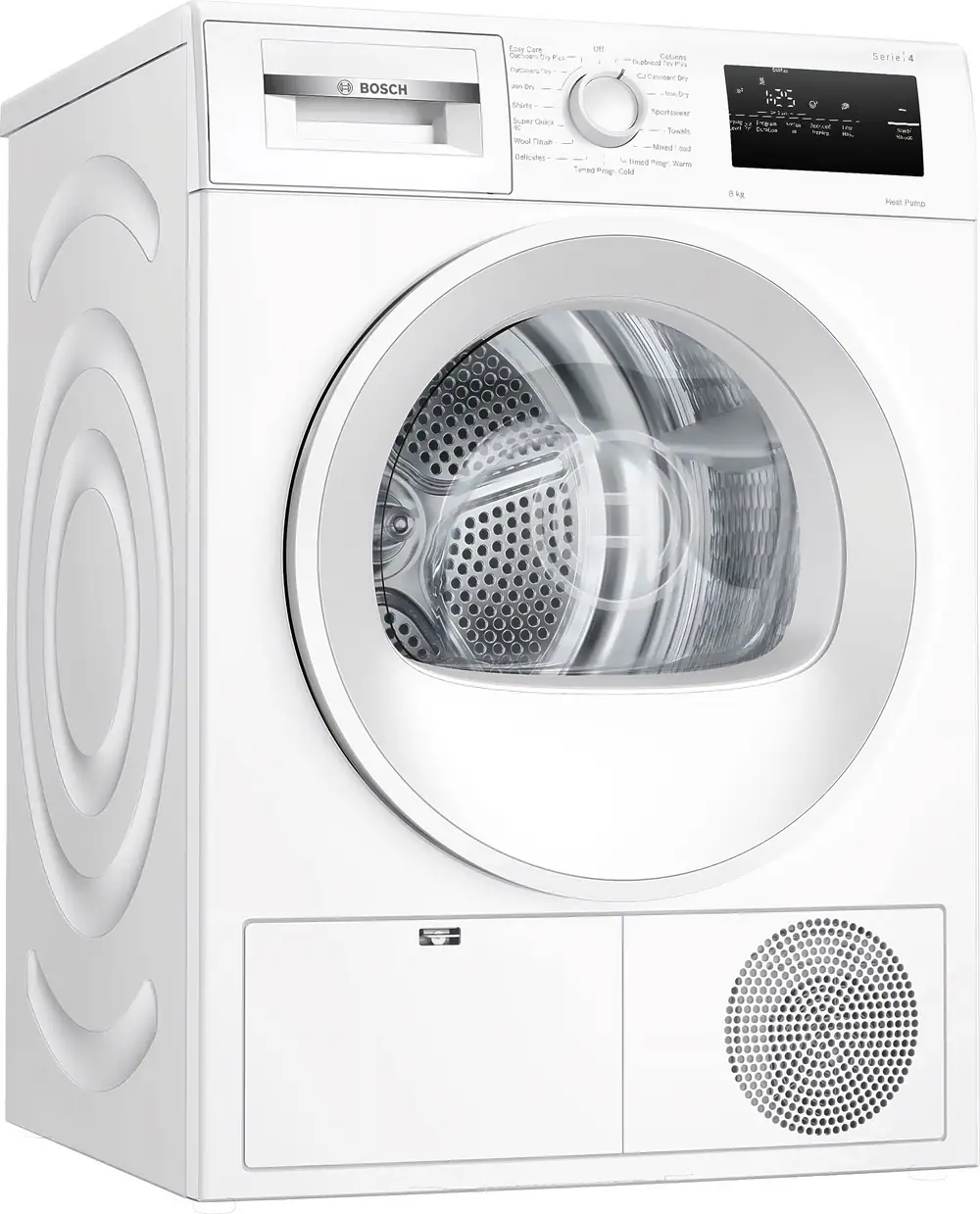
Bosch Series 4 WTH85225GB 8Kg Heat Pump Tumble Dryer
from £579.
£579
Rated 4.7 / 5 from up to 3,521 reviews
Colours tracked: White
Guide
Heat pump tumble dryers can cut running-cost pressure and work well for ventless installation, but the Bosch and LG examples show the trade-off with higher upfront prices and longer cycles.
ReviewX may earn a commission if you buy through links on this site.
Last verified: 2026-09-12
A heat pump tumble dryer reuses warm air in a closed loop, rather than constantly heating fresh air and pushing it out. That design is why it can be more energy efficient, and it also means lower drying temperatures, which is generally kinder to fabrics than a conventional dryer. The trade-off shoppers notice most is time: heat pump models often take longer to dry, so this type suits buyers who care more about running costs and fabric care than the quickest possible cycle.
The biggest difference is installation and energy use. Heat pump dryers are ventless, so they do not need an external vent, which can make them easier to place in homes where a vented model is awkward; condenser dryers are also ventless, while vented dryers need a route outside. In day-to-day use, heat pump models usually sit on the slower end of drying speed but tend to be the lower-running-cost choice, so they are worth comparing against condenser and vented options if speed matters more to you than efficiency.
This category makes most sense for households that dry laundry often, because the lower energy use matters more when the machine gets frequent use. AO’s guidance points to shoppers who want lower running costs, gentler drying and a lower environmental impact, and that tends to fit family laundry, regular bedding washes and homes where a ventless dryer is easier to place. If you mainly want the fastest turnaround after washing, a heat pump model may feel less convenient than some conventional alternatives, so capacity and cycle length matter as much as the technology label.
Before comparing price tags, check the capacity, exact dimensions, required clearance and any maintenance notes on the retailer page. The shortlist here gives a useful starting point: the Bosch models are both 8kg, while the LG V7 FDV709W is 9kg and also carries an A++ energy rating in the product title, so it may suit a larger household if the footprint works. Also verify cycle times, delivery terms, warranty or service details and any special programmes such as Allergy Care or smart features, because those can change value even when the headline price is close.
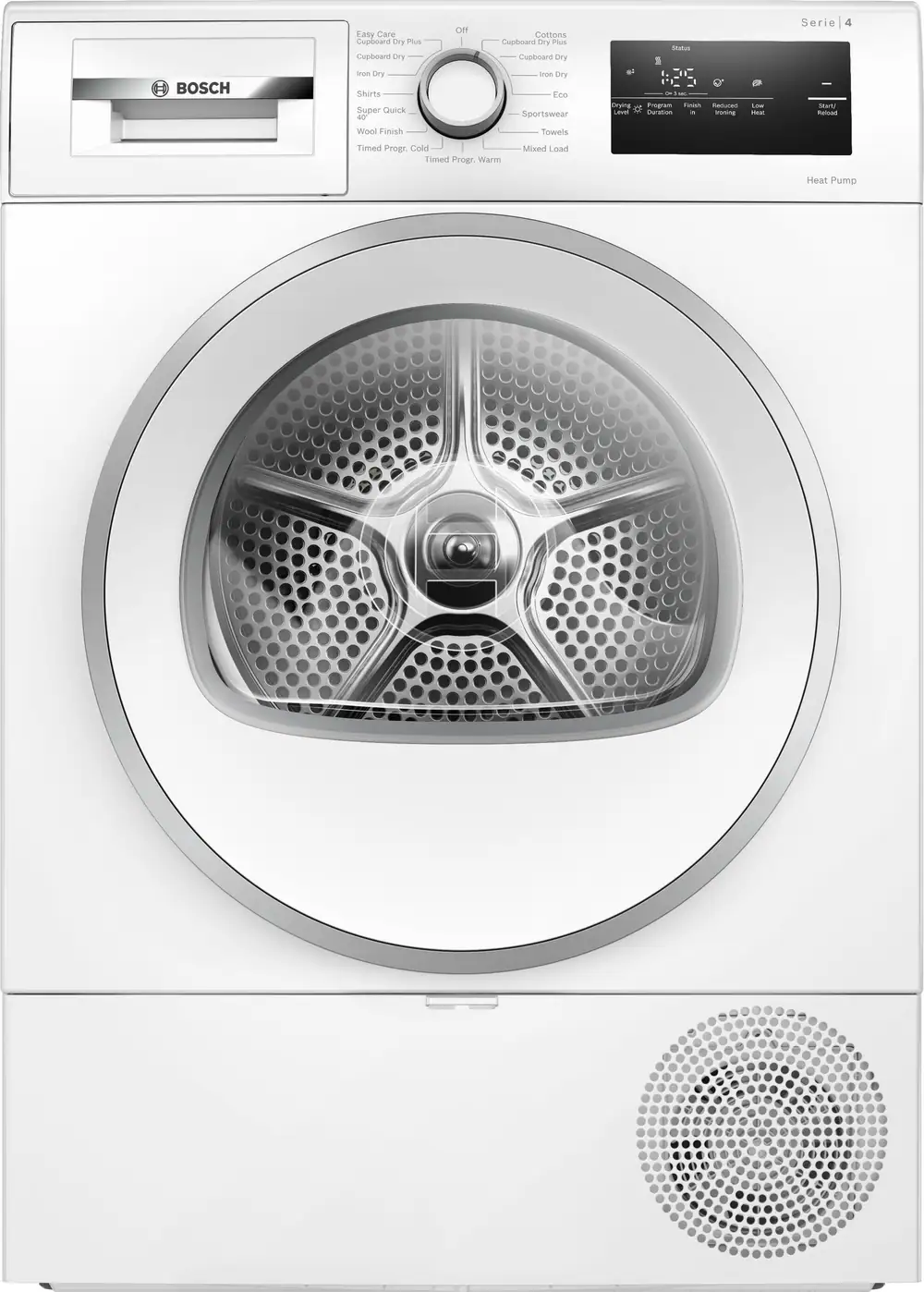
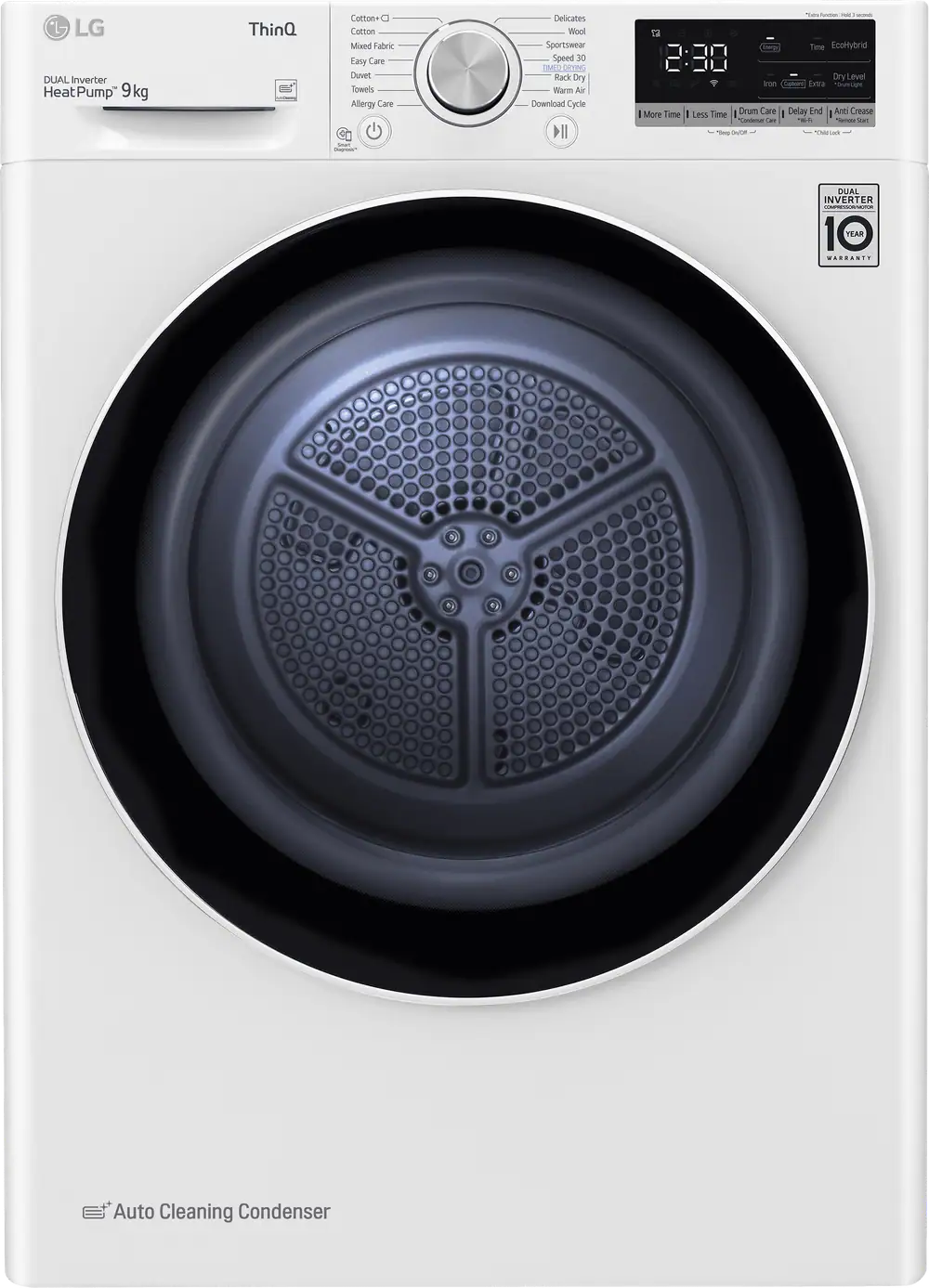
The clearest takeaway is that heat pump tumble dryers are built for efficiency-first shoppers, not for people who want the cheapest upfront purchase or the quickest dry every time. ENERGY STAR and AO both describe the closed-loop system, the lower-temperature drying and the ventless installation advantage, while also flagging that cycles can take longer. For the shortlist, the Bosch Series 4 WTH85226GB is the lowest-priced at £549, the Bosch Series 4 WTH85225GB is £579 and the LG V7 FDV709W is £599; that narrow spread makes capacity and features especially important when deciding whether the 8kg Bosch pair or the 9kg LG model fits your household best. Public review volume is strongest for the Bosch pair, with 3,521 and 3,519 reviews, but that is a popularity signal rather than proof of energy savings or drying quality.
A practical shortlist starts with your real constraint: upfront spend, laundry load size or installation fit. If you want the lowest ticket price in this set, the Bosch Series 4 WTH85226GB at £549 is the entry point; if you need more drum space, the LG V7 FDV709W’s 9kg capacity may suit larger loads better, though it sits at £599. If you are deciding between the Bosch pair, the difference is mostly price rather than capacity, so the smarter comparison is whether the live product page confirms any spec, programme or service detail that justifies the extra spend. Check AO for the latest price, stock, delivery and installation terms before you buy, because live details can change.
from £579.
£579
Rated 4.7 / 5 from up to 3,521 reviews
Colours tracked: White
from £549.
£549
Rated 4.7 / 5 from up to 3,519 reviews
Colours tracked: White
from £599.
£599
Rated 4.8 / 5 from up to 860 reviews
Colours tracked: White
Last checked 2026-09-12. The source list below is included to help you check the details behind the comparison. Always confirm the latest price, delivery cost, stock status and product details with the retailer before buying.
Use these related electricals guides and reviews to turn the advice into a practical shortlist.
Usually they are, because they reuse warm air instead of heating fresh air from scratch each cycle. ENERGY STAR says certified models use at least 28% less energy, but the exact saving depends on the model, your laundry habits and how often you run it.
Often yes. AO and energy guidance both note that heat pump models can take longer than vented dryers, so they are best judged on the balance between drying speed, lower running costs and gentler lower-temperature drying.
For this shortlist, the Bosch models are 8kg and the LG V7 FDV709W is 9kg. An 8kg drum is usually the safer comparison point for smaller to medium households, while 9kg gives more room for larger loads or bedding, but you should still check the retailer page for exact dimensions and fit.
They are mostly a popularity and buyer-confidence signal, not proof of drying speed, energy savings or durability. The Bosch pair has 3,521 and 3,519 reviews in the supplied set, while the LG model has 860, so the Bosch listings have the stronger public review volume but not a guaranteed performance edge.
It tends to make most sense when you dry laundry often, care about running costs, or need a ventless dryer for a place without external vent access. If you mostly want the quickest cycle or the lowest purchase price, a different dryer type may fit better, so compare price, capacity and fit before deciding.