Available 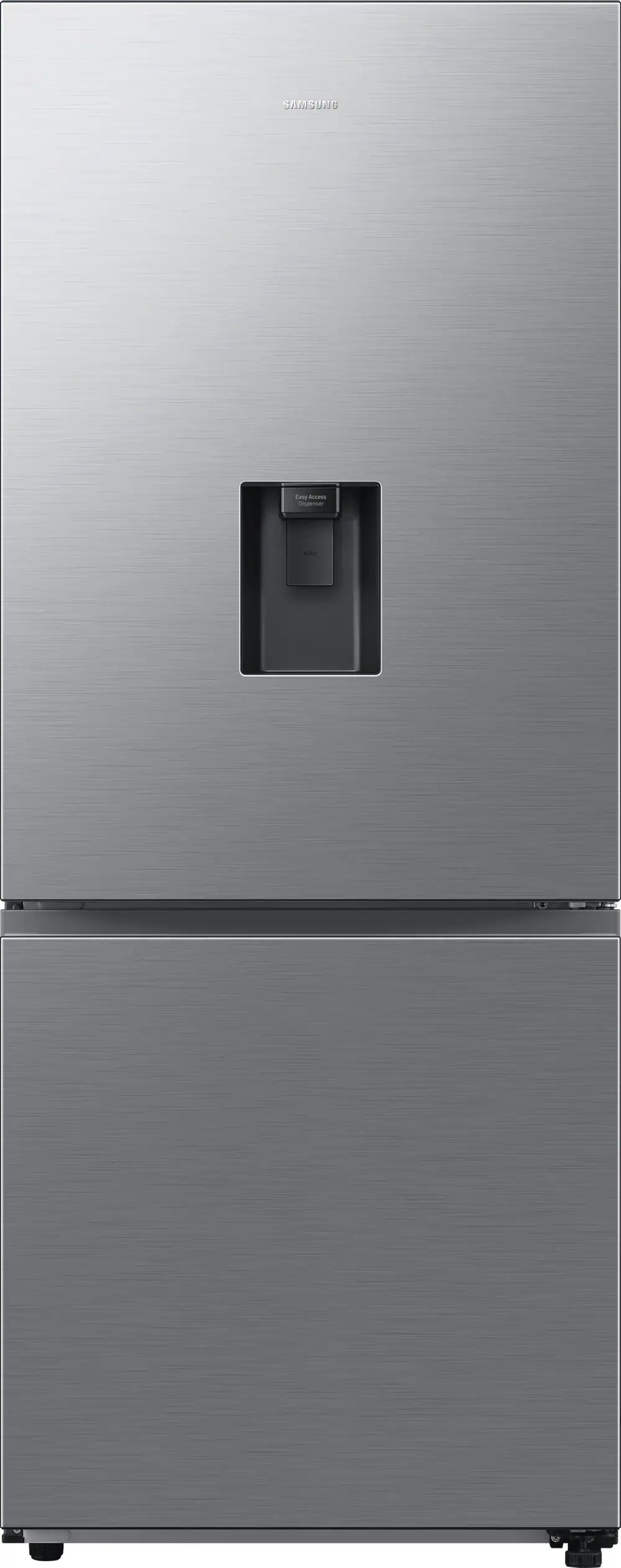
Samsung Series 8 SpaceMax™ RB50DG632ES9EU 192cm Total No Frost Fridge Freezer
from £926.
£926
Rated 4.8 / 5 from up to 2,335 reviews
Colours tracked: Silver
Guide
Total No Frost is a convenience feature that helps reduce ice build-up across both compartments, but it still needs to be weighed against capacity, fit and energy rating.
ReviewX may earn a commission if you buy through links on this site.
Last verified: 2026-08-14
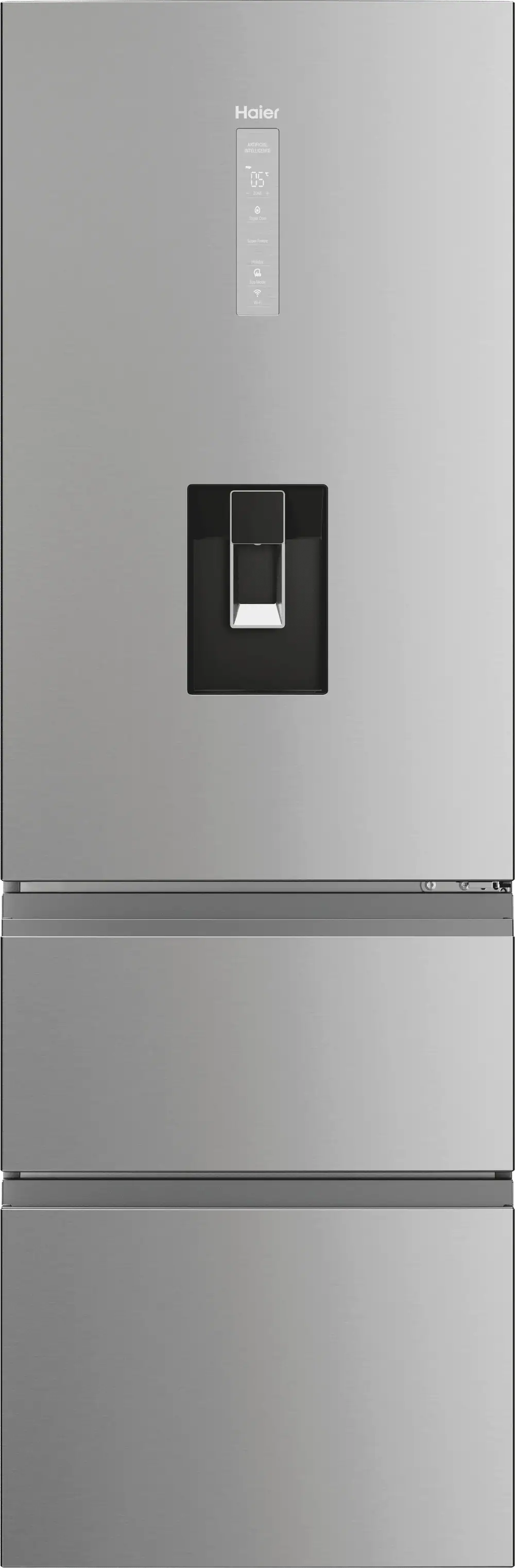
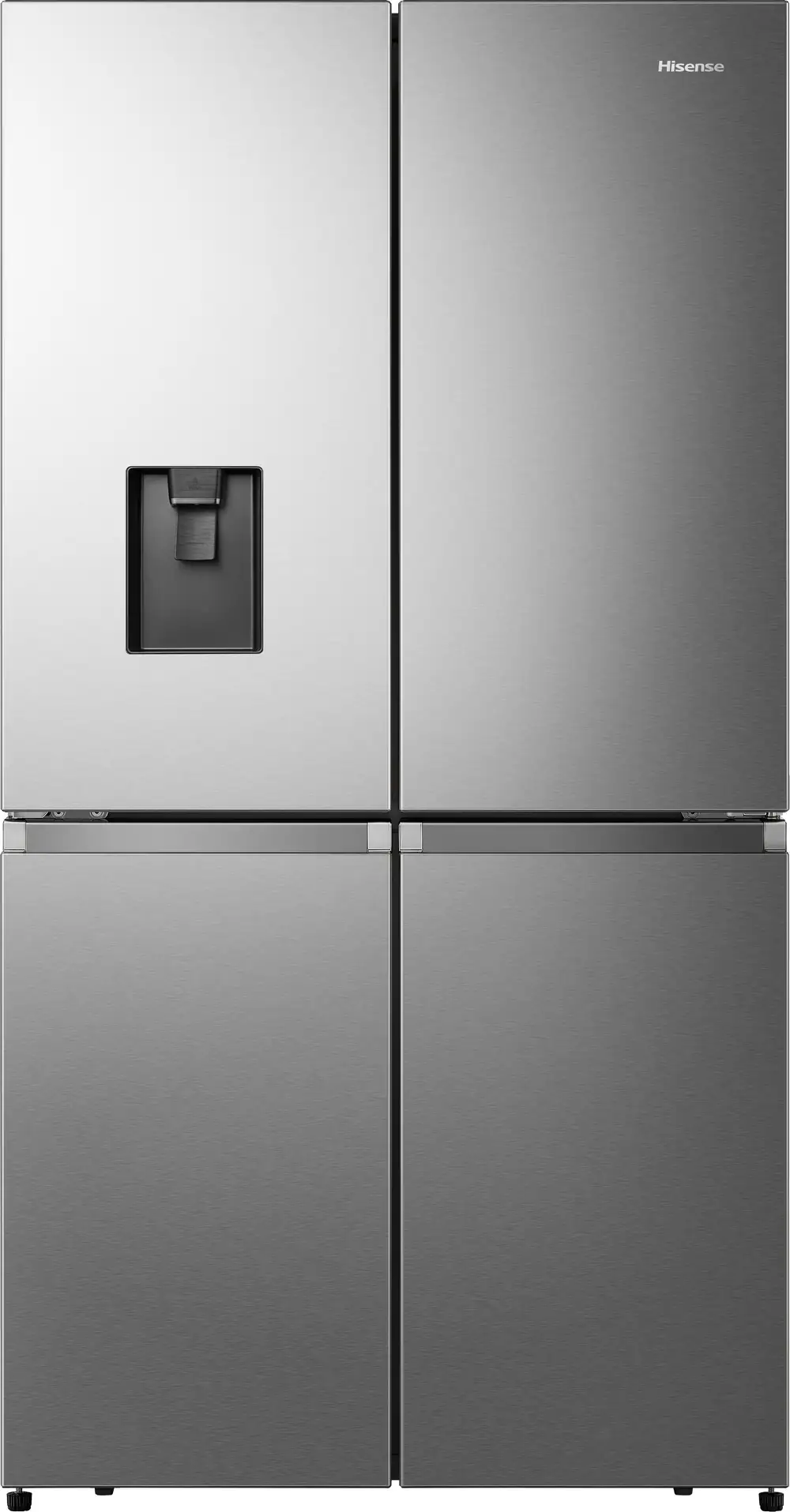
Total No Frost is an active cooling setup that circulates cool air through both the fridge and freezer compartments, helping reduce ice build-up and the need for manual defrosting in normal use. It is best understood as a maintenance-saving feature rather than a promise that food will stay fresh longer in every case. For AO fridge freezers, that means comparing the label alongside real-world fit details on models like the Samsung Series 8 SpaceMax RB50DG632ES9EU, the Haier 3D 60 Series 5 HTW5618EWMG and the Hisense PureFlat Infinite RQ758N4SWSE, not treating the feature as the only buying factor.
Shoppers may see Total No Frost, Frost Free, Low Frost or static cooling in listings, and the wording is not always used in the same way by every brand or retailer. AO’s guide separates Total No Frost from freezer-only frost free technology, so the key question is whether the airflow covers both compartments or mainly the freezer side. That distinction matters because a fridge freezer can be advertised as frost free in a looser sense while still offering different upkeep levels, layout benefits and price positions.
The main appeal is lower routine upkeep: less ice build-up means less manual defrosting and usually easier day-to-day storage. That can suit busy households that want a fridge freezer to be more of a set-and-forget appliance, especially if the kitchen is already full and nobody wants to clear shelves for defrost day. Even then, the practical benefit depends on the model’s capacity and layout, so a 185cm 60/40 Haier may suit a different household rhythm from the larger multi-door Hisense or the 192cm Samsung SpaceMax.
It can be worth a premium when convenience matters more than chasing the lowest upfront price, particularly if the appliance will be used heavily and you want to avoid periodic defrosting. The trade-off is that you should still compare the price against capacity, energy rating and the amount of usable fridge space you get for the footprint. In this shortlist, the Haier starts at £549, the Samsung sits at £926 and the Hisense is £1,199, so the right answer depends on whether you want a straightforward freestanding 60/40 format or a larger, more premium multi-door style.
Before choosing a Total No Frost model, check the exact capacity, dimensions and clearance requirements, because the feature does not tell you whether the appliance will fit your space or shopping habits. Also confirm whether the model is freestanding, how the doors open in relation to walls or units, and whether the hinge or door swing creates any installation caveats. Energy rating and running costs still need comparing model by model, because Total No Frost does not automatically mean low use, and a bigger format like the Hisense PureFlat Infinite can make very different demands from the smaller Haier 60/40 layout.
The clearest takeaway is that Total No Frost means cool air is circulated across both compartments to reduce ice build-up, so it is mainly a low-maintenance feature rather than a freshness guarantee. Brand pages from Samsung, Haier and Hisense all describe it as a convenience and maintenance reduction benefit, while AO distinguishes it from freezer-only frost free wording. The three example models give useful comparison anchors: Samsung Series 8 SpaceMax RB50DG632ES9EU at £926, Haier 3D 60 Series 5 HTW5618EWMG at £549 and Hisense PureFlat Infinite RQ758N4SWSE at £1,199, each with strong visible rating details, but exact energy use, capacity and dimensions still need checking on the retailer page.
Use the shortlist as a comparison of household fit, not a universal ranking. The Haier at £549 is the budget-friendly freestanding 60/40 style, the Samsung at £926 sits in the middle with a more premium SpaceMax positioning, and the Hisense at £1,199 is the largest, most feature-led option with a WiFi-connected label and multi-door American format. If two models both say Total No Frost, the better buy is usually the one that fits your kitchen, storage habits and energy budget most closely, so verify current price, stock, capacity, dimensions and delivery details on AO before deciding.
from £926.
£926
Rated 4.8 / 5 from up to 2,335 reviews
Colours tracked: Silver
from £549.
£549
Rated 4.9 / 5 from up to 2,533 reviews
Colours tracked: Stainless Steel
from £1,199.
£1,199
Rated 4.9 / 5 from up to 3,271 reviews
Colours tracked: Stainless Steel
Last checked 2026-08-14. The source list below is included to help you check the details behind the comparison. Always confirm the latest price, delivery cost, stock status and product details with the retailer before buying.
Use these related electricals guides and reviews to turn the advice into a practical shortlist.
It should greatly reduce ice build-up and routine defrosting in normal use, but shoppers should still check the product page wording because brands can describe the feature slightly differently.
They are often used as similar shorthand, but they are not always identical in retailer wording. AO distinguishes Total No Frost as covering both compartments, while frost free may be used more loosely on some listings.
Yes. A Total No Frost label does not tell you whether the fridge freezer will suit your household size or kitchen space, so compare capacity, height, width, clearance and whether the doors will fit your layout.
Not always, and you should not assume the feature changes running costs in the same way from one model to another. Compare the energy rating and expected running costs on each AO listing before you decide.
Check whether the model is freestanding, how much clearance it needs around the cabinet and whether the door swing or hinge position works with your kitchen layout. Those details can matter more than the cooling label if space is tight.