Available 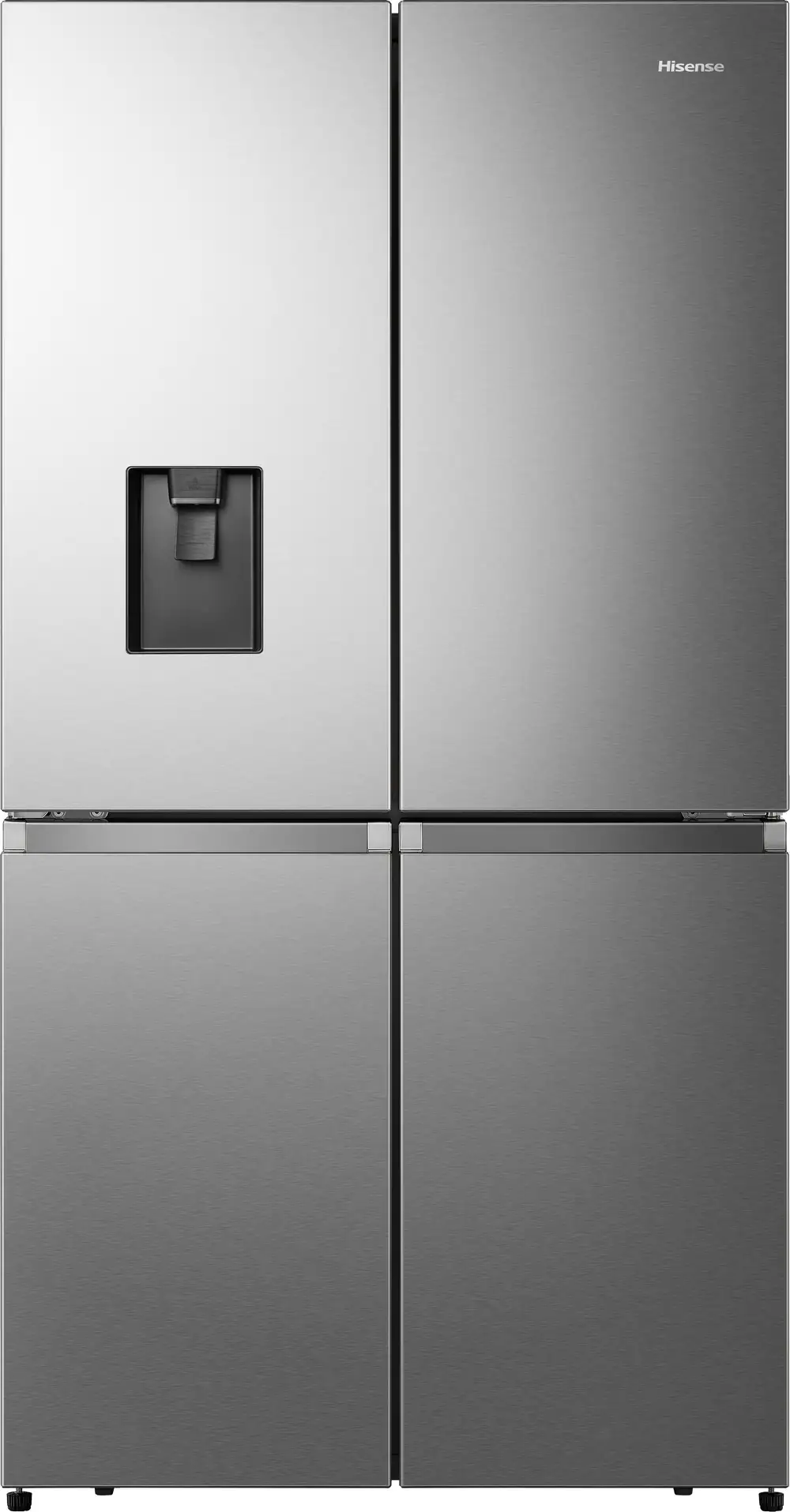
Hisense PureFlat Infinite RQ758N4SWSE Total No Frost Multi-door American Fridge Freezer
from £999.
£999
Rated 4.9 / 5 from up to 3,265 reviews
Colours tracked: Stainless Steel
Guide
Compare UK energy labels, size, fit and useful efficiency features so you can choose a fridge freezer that suits your kitchen and budget.
ReviewX may earn a commission if you buy through links on this site.
Last verified: 2026-08-11
The first thing to check is the UK energy label, which now runs from A to G, with A being the most efficient. That letter is a useful starting point, but it works best when you compare models of a similar size and style, because a larger or more feature-heavy fridge freezer usually needs more energy than a simpler one. On AO’s guidance, it also makes sense to think about storage layout and whether the extra space will genuinely be filled, rather than paying for capacity you do not need.
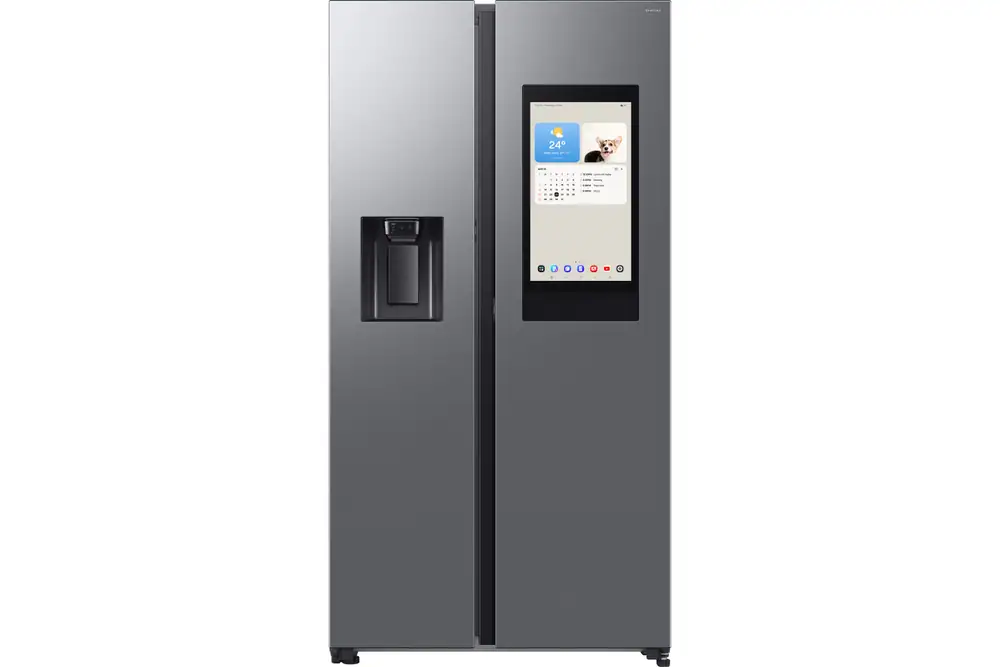
Before comparing extras, check the footprint, height and width, plus how the doors will open in your room. A large American-style fridge freezer can suit a busy household, but only if you have the clearance for the doors and enough space for installation; hinge direction and nearby units can make a real difference. The two shortlist examples, the Hisense PureFlat Infinite RQ758N4SWSE at £999 and the Samsung Family Hub RS90F66BETEU at £2,549, are both aimed at larger households, so fit and capacity come before feature lists.
Some features are genuinely useful for efficiency-minded shoppers, but they are not all equal. Frost-free or no-frost systems reduce the need for manual defrosting and can help keep the appliance running more consistently, while holiday mode can be handy if you are away for longer periods. Smart controls may be convenient, especially on the WiFi-connected Hisense and Samsung examples, but they only matter if you will actually use them to manage settings more easily; they are not proof of lower running costs on their own.
A higher upfront price only makes sense if it buys you a better match for your household, not just a bigger badge. In this shortlist, the Hisense model at £999 looks like the more value-led option, while the Samsung Family Hub at £2,549 sits clearly in premium territory, so the question is whether the extra cost brings features you will use every day. If a cheaper model already matches your space, capacity and energy rating needs, paying more for smart extras may not improve value.
The advice is consistent across AO, GOV.UK, Energy Saving Trust and appliance buying guides: use the energy label to compare similar fridge freezers, then check capacity, layout and annual energy use before getting distracted by extras. The evidence base here is limited because the AO product pages were not directly readable during checking, so the shortlist should be treated as a cautious value-versus-premium comparison rather than a ranking. The supplied review context is still useful: the Hisense has a 4.9 average rating from up to 3,265 reviews, and the Samsung has a 4.8 average rating from up to 4,315 reviews, which suggests familiarity with buyers but does not prove lower energy use, quieter running or better long-term reliability.
Use this as a practical checklist rather than a winner-takes-all verdict: compare energy rating and annual energy use, then make sure the capacity fits your household size and shopping habits, and finally confirm dimensions, clearance and installation type. The Hisense PureFlat Infinite RQ758N4SWSE at £999 may appeal if you want a lower entry price and a WiFi-connected American-style fridge freezer, while the Samsung Family Hub RS90F66BETEU at £2,549 suits shoppers who want a premium smart model and are willing to pay for it. Review scores and counts are useful popularity context, but they are not independent efficiency or durability checks, so always verify the latest AO price, delivery terms and product specifications before buying.
from £999.
£999
Rated 4.9 / 5 from up to 3,265 reviews
Colours tracked: Stainless Steel
from £2,549.
£2,549
Rated 4.8 / 5 from up to 4,315 reviews
Colours tracked: Silver
Last checked 2026-08-11. The source list below is included to help you check the details behind the comparison. Always confirm the latest price, delivery cost, stock status and product details with the retailer before buying.
Use these related electricals guides and reviews to turn the advice into a practical shortlist.
It is mainly a convenience feature, but it can also support steadier performance because frost build-up can make a fridge freezer work harder. For shoppers, the bigger value is usually less maintenance; the energy benefit depends on the model, size and overall efficiency rating, so check the label as well.
Start with household needs, then check the appliance footprint, height, width and door clearance. A large family may need an American-style model, but only if the kitchen layout can handle it; a smaller household may get better value from a more modest capacity rather than paying for space that stays empty.
Not by themselves. WiFi can make settings easier to monitor or adjust, which may help day-to-day use, but it is not a shortcut to lower energy use. If a smart model costs much more, like the Samsung Family Hub RS90F66BETEU at £2,549, make sure the extras are genuinely useful before paying the premium.
Only if the higher price comes with a better fit for your household, a stronger energy label or genuinely useful features. The £999 Hisense example and the £2,549 Samsung example show how wide the price gap can be, so compare capacity, efficiency rating and installation needs before assuming the dearer model will cost less to run.