Available 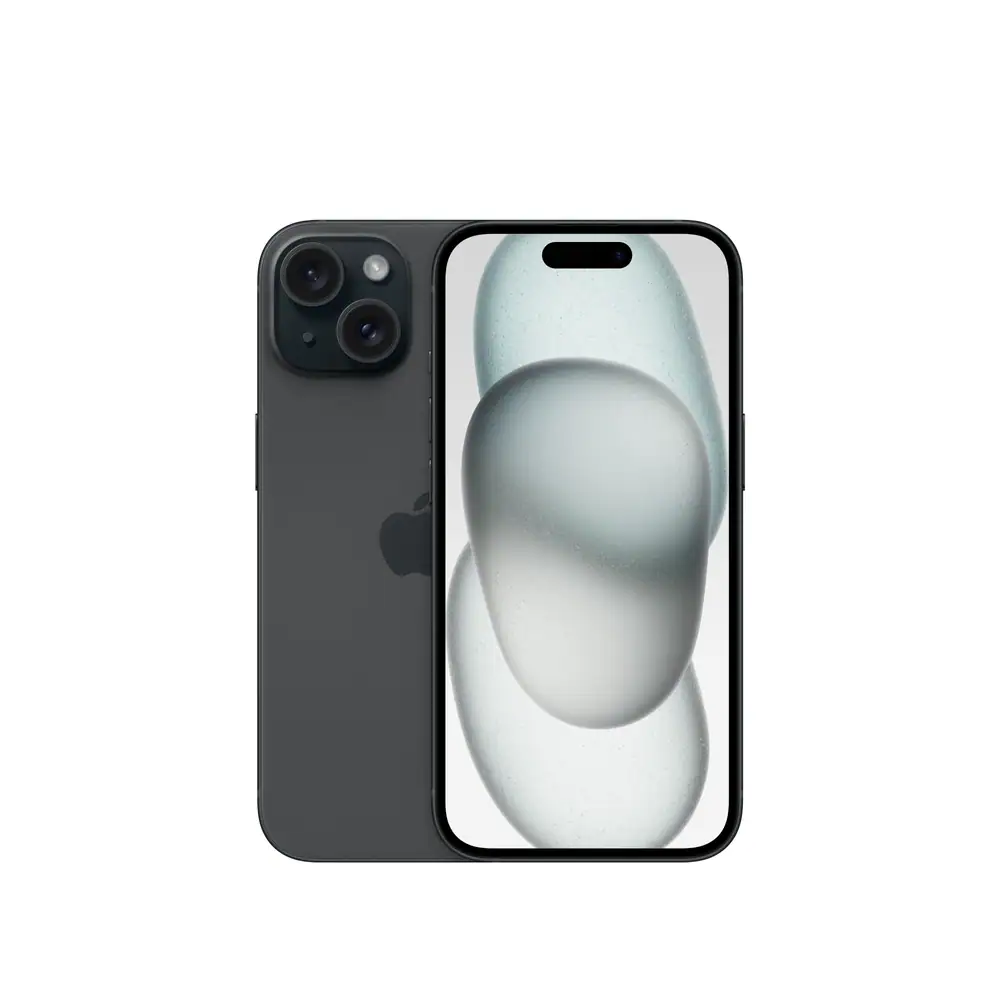
Apple iPhone 15 128GB in
from £699.
£699
Rated 4.7 / 5 from up to 4,083 reviews
Colours tracked: Black
Buying guide
A focused AO shortlist for comparing Apple iPhone 15, iPhone 16 and iPhone 16 Plus by price, size, battery-life trade-off, colours and review details.
ReviewX may earn a commission if you buy through links on this site.
Last verified: 2026-10-27
This is a compare-and-decide shortlist, not a single winner page. The main reference points are Apple iPhone 15 128GB at £599, Apple iPhone 16 128GB at £699 and Apple iPhone 16 Plus 128GB at £799, so the gap is wide enough to matter but narrow enough to compare side by side. iPhone 15 is the lower-priced option, iPhone 16 is the middle-ground choice, and iPhone 16 Plus is the larger premium pick. That makes the shortlist useful for shoppers who want a clear trade-off view rather than a broad Apple browse.
Start with Apple iPhone 15 128GB in (£699), Apple iPhone 16 128GB in (£799), Apple iPhone 16 128GB in Pink, Pink (£799) because they give you a focused set of current retailer options to compare. The visible price range is £699-£799, so check whether the extra spend buys a useful specification difference rather than only a different brand or finish. The shortlist includes Apple, which helps you compare familiar brands against specification, delivery and value.
from £699.
£699
Rated 4.7 / 5 from up to 4,083 reviews
Colours tracked: Black
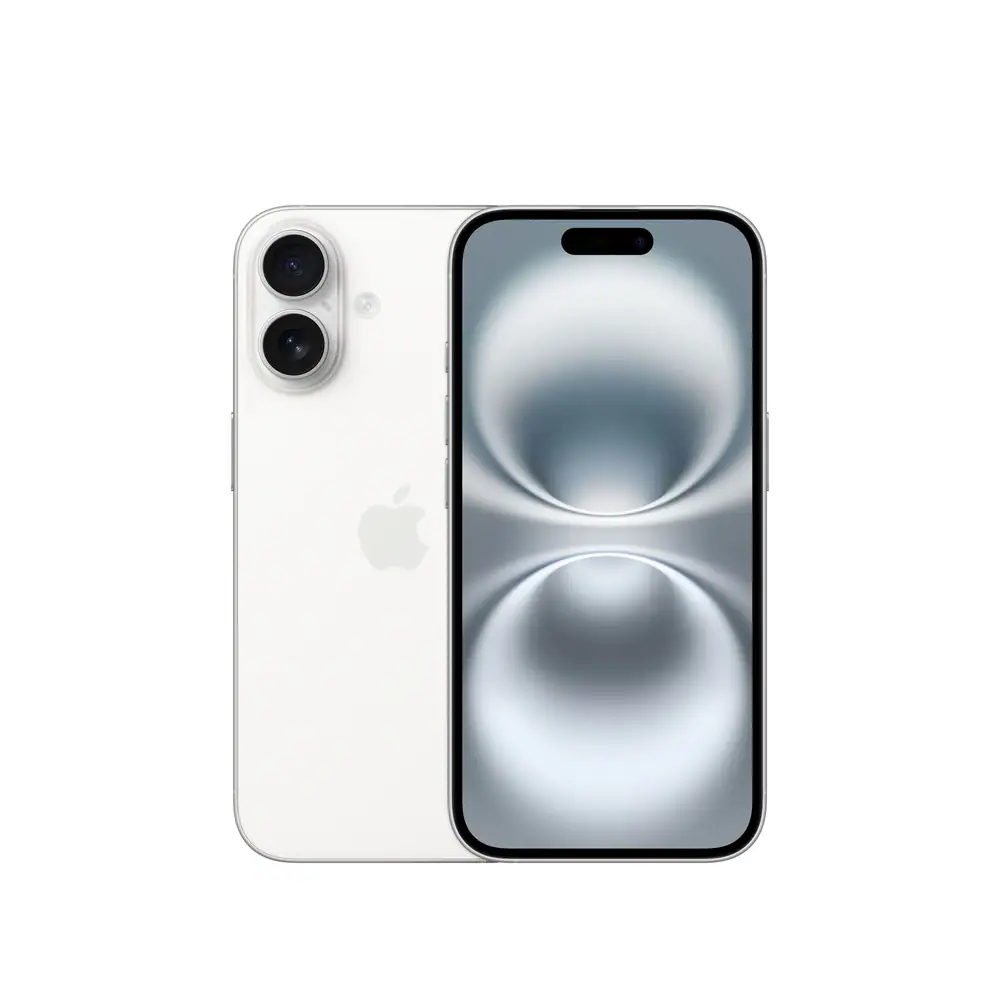
from £799.
£799
Rated 4.7 / 5 from up to 2,142 reviews
Colours tracked: White, Black
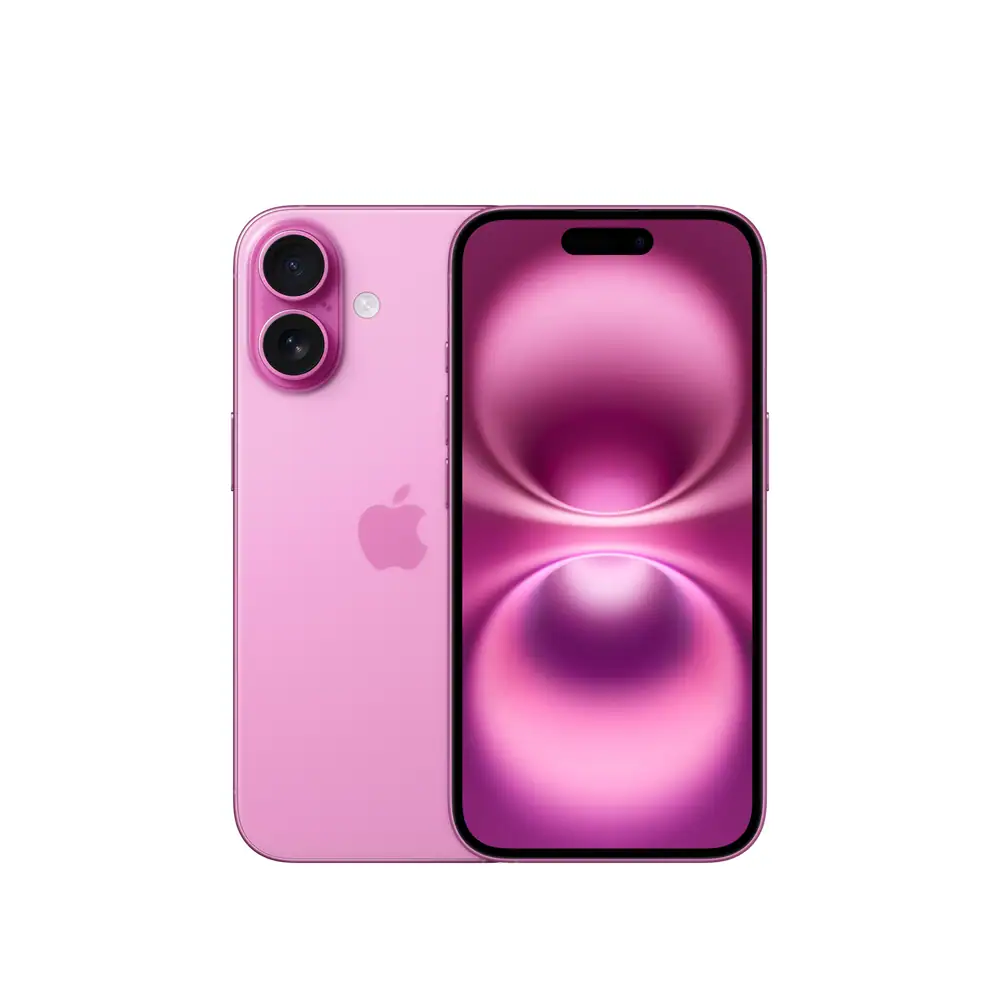
from £799.
£799
Rated 4.7 / 5 from up to 2,142 reviews
Colours tracked: Pink
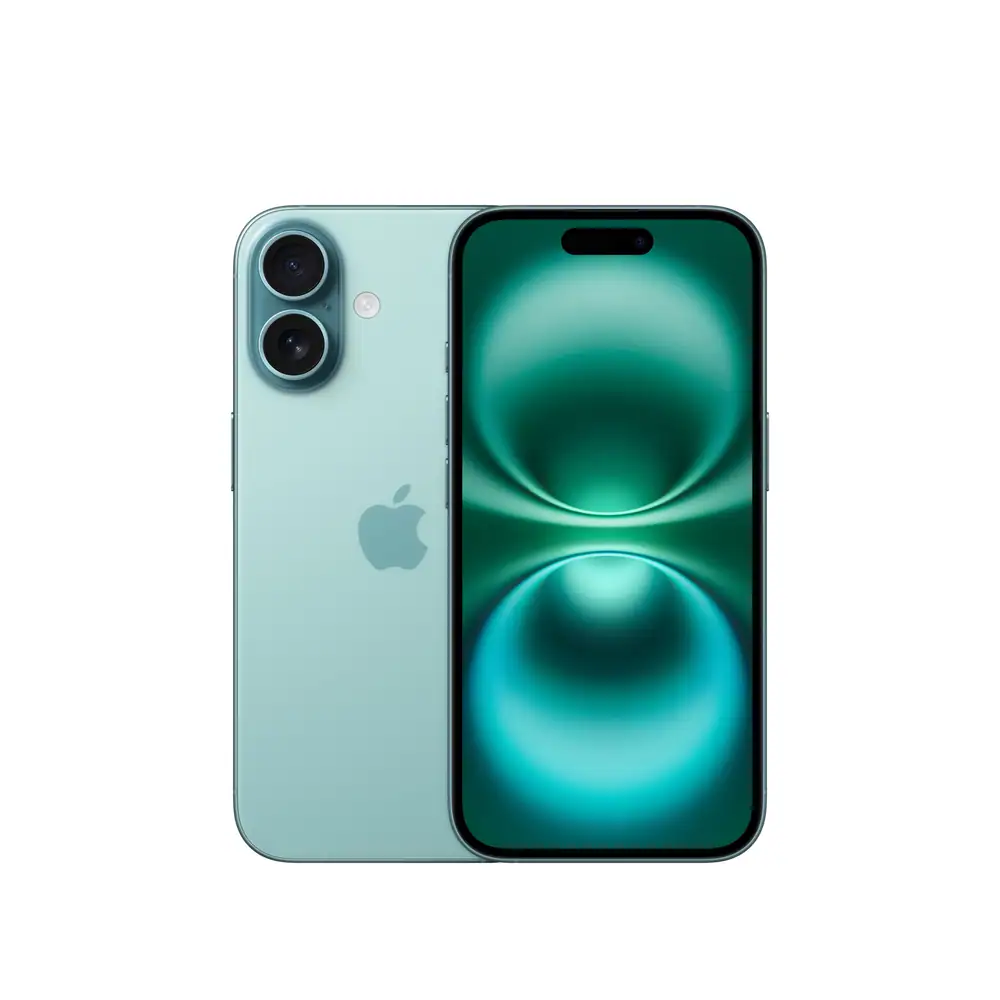
from £799.
£799
Rated 4.7 / 5 from up to 2,142 reviews
Colours tracked: Green
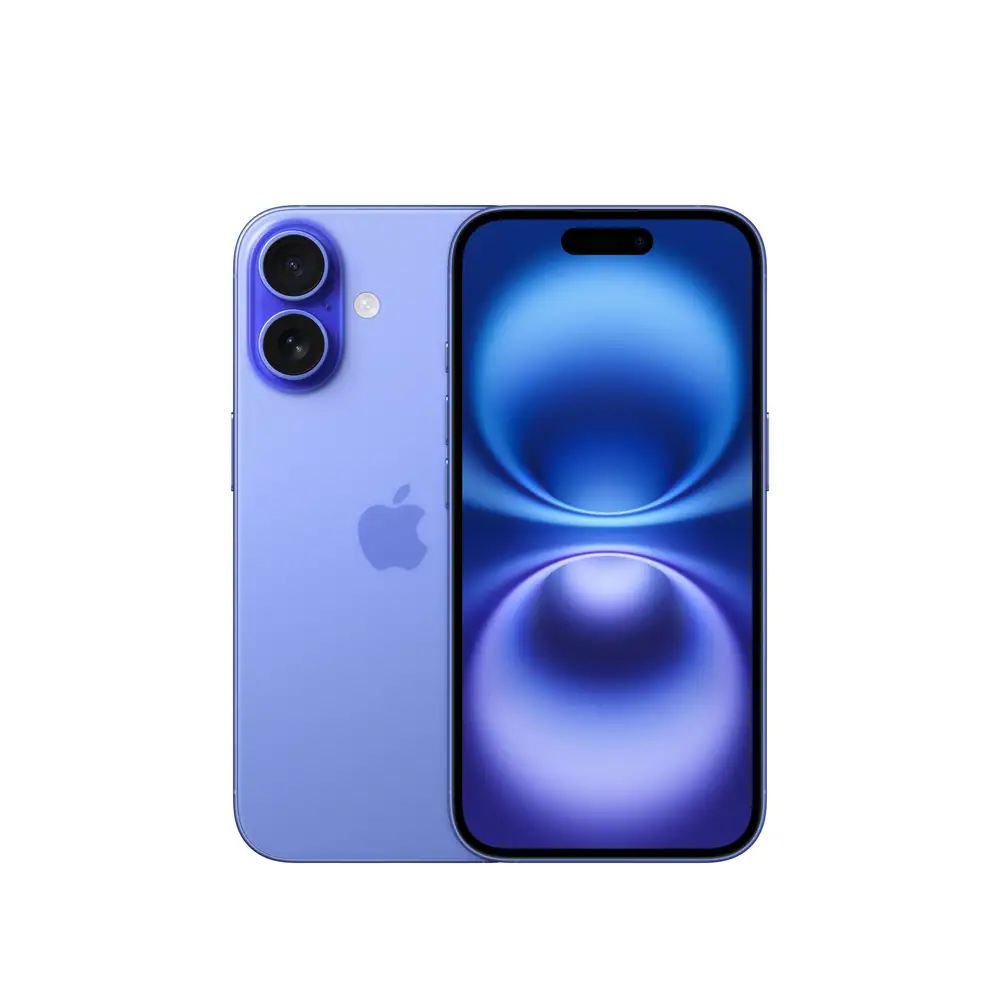
from £799.
£799
Rated 4.7 / 5 from up to 2,142 reviews
Colours tracked: Blue
Use this table to scan the shortlist quickly before opening individual product pages. It covers Mobile Phones, so compare like-for-like where possible before deciding which electrical best fits your home, space, budget and the features you will actually use. The most useful checks are product type, available colours, current price and whether the retailer details match the way you plan to use it.
| Product | Type | Key spec | Colours | From |
|---|---|---|---|---|
| Apple iPhone 15 128GB in | Mobile Phones | Check retailer | Black | £699 |
| Apple iPhone 16 128GB in | Mobile Phones | Check retailer | White, Black | £799 |
| Apple iPhone 16 128GB in Pink, Pink | Mobile Phones | Check retailer | Pink | £799 |
| Apple iPhone 16 128GB in Teal | Mobile Phones | Check retailer | Green | £799 |
| Apple iPhone 16 128GB in Ultramarine | Mobile Phones | Check retailer | Blue | £799 |
The visible shortlist is anchored to 128GB models, which keeps the comparison focused on price, size and feature fit rather than storage upgrades. AO shows multiple colour variants across these Apple listings, and Apple’s own specs confirm five finishes for iPhone 15 and for iPhone 16 / 16 Plus. The key model split is that iPhone 15 is the 2023 model, while iPhone 16 and iPhone 16 Plus are the current-generation reference points; that age and positioning difference is part of the value story. Review-wise, iPhone 15 has the highest review volume in the supplied signals at up to 4,020 reviews, while iPhone 16 and iPhone 16 Plus are both shown at 4.8 with up to 2,410 reviews each.
The simplest price ladder is £599 for iPhone 15, £699 for iPhone 16 and £799 for iPhone 16 Plus, so each step up needs to earn its extra cost. The biggest practical difference between the two current-generation models is screen size: Apple lists iPhone 16 at 6.1 inches and iPhone 16 Plus at 6.7 inches, and the Plus also has longer video playback battery life. That makes the 16 Plus better suited to shoppers who value a bigger display and more battery headroom, while the standard iPhone 16 is the tighter fit for those who want newer-model positioning without jumping to the largest handset. Review counts are useful, but they are popularity signals rather than proof of measured performance, and live AO stock or colour availability should be checked before checkout.
This page is deliberately narrow: one brand, one product type and a single family of iPhones. That makes it easier to compare the items shoppers are most likely to cross-shop — iPhone 15 versus iPhone 16 versus iPhone 16 Plus — without getting lost in unrelated Apple products. The shortlist is useful because it highlights the exact things that can change a buying decision here: price, 128GB capacity, colour options, review volume and the size/battery trade-off between the 6.1-inch and 6.7-inch models. It is useful guidance, but not a definitive ranking, because the live retailer page can change price, stock and variant availability.
The benchmark range runs from £599 to £799, with iPhone 15 sitting at the low end and iPhone 16 Plus at the top of the visible price spread. On the review side, iPhone 15 shows the strongest volume at up to 4,020 reviews and a 4.7 average rating, while iPhone 16 and iPhone 16 Plus both show 4.8 with up to 2,410 reviews. That mix suggests the cheaper model has the longest trail of customer feedback, while the newer models have slightly stronger average ratings in the visible signals. Treat these as shopping cues, not lab evidence: they help you narrow the list, but they do not replace checking the current AO page.
Pick iPhone 15 if you want the lower entry price and prefer the model with the biggest review count in the shortlist. Pick iPhone 16 if you want the current-generation middle ground at £699 and do not need the larger 6.7-inch display. Pick iPhone 16 Plus if a bigger screen and longer battery life matter enough to justify the extra £100 over the standard iPhone 16 and £200 over iPhone 15. Before buying, verify the exact colour, the 128GB storage listing, stock status and delivery terms on the AO product page, because those details can change quickly.
Value here is not just the lowest price; it is the best balance of fit, feature set and confidence in the listing. iPhone 15 looks strongest for shoppers who want to stay at £599 and are comfortable with a 2023 model that still has broad review coverage and colour choice. iPhone 16 offers the cleanest middle ground if you want newer-generation positioning at £699 without paying for the larger 16 Plus shell, while the Plus makes sense only if the bigger display and extra battery life are worth the jump to £799. Check the latest price, delivery and availability before you commit, because the best deal can change even when the model choice stays the same.
Last checked 2026-10-27. Use this as a shopping aid rather than a substitute for the live retailer listing. Always confirm the latest price, delivery cost, stock status and product details with the retailer before buying.
Keep comparing with related reviews and buying guides before checking the latest retailer prices.
There is no single winner here. iPhone 15 looks best on entry price at £599, iPhone 16 sits in the middle at £699, and iPhone 16 Plus only makes sense if the bigger 6.7-inch display and longer battery life are worth the extra spend.
Yes, if your priority is keeping the price down. It is the lowest-priced model in the shortlist, it has the strongest review volume in the visible signals, and it still gives you the same 128GB anchor as the newer models, so it remains the clearest budget reference point.
The Plus model is most relevant if you want the larger 6.7-inch screen and Apple’s longer battery-life figures. If neither of those matters much, the standard iPhone 16 usually looks like the more balanced step up because it stays smaller and costs £100 less.
Treat them as popularity and feedback-volume cues, not proof of measured performance. In this shortlist, iPhone 15 has the highest review count, while iPhone 16 and 16 Plus show slightly higher average ratings, so the numbers help with confidence but do not replace checking the current listing.
The shortlist is centred on 128GB models, and AO shows multiple colour variants across the iPhone listings. Apple also lists five finishes for iPhone 15 and for iPhone 16 / 16 Plus, but you should still check the live product page because the exact colour being shown can vary.